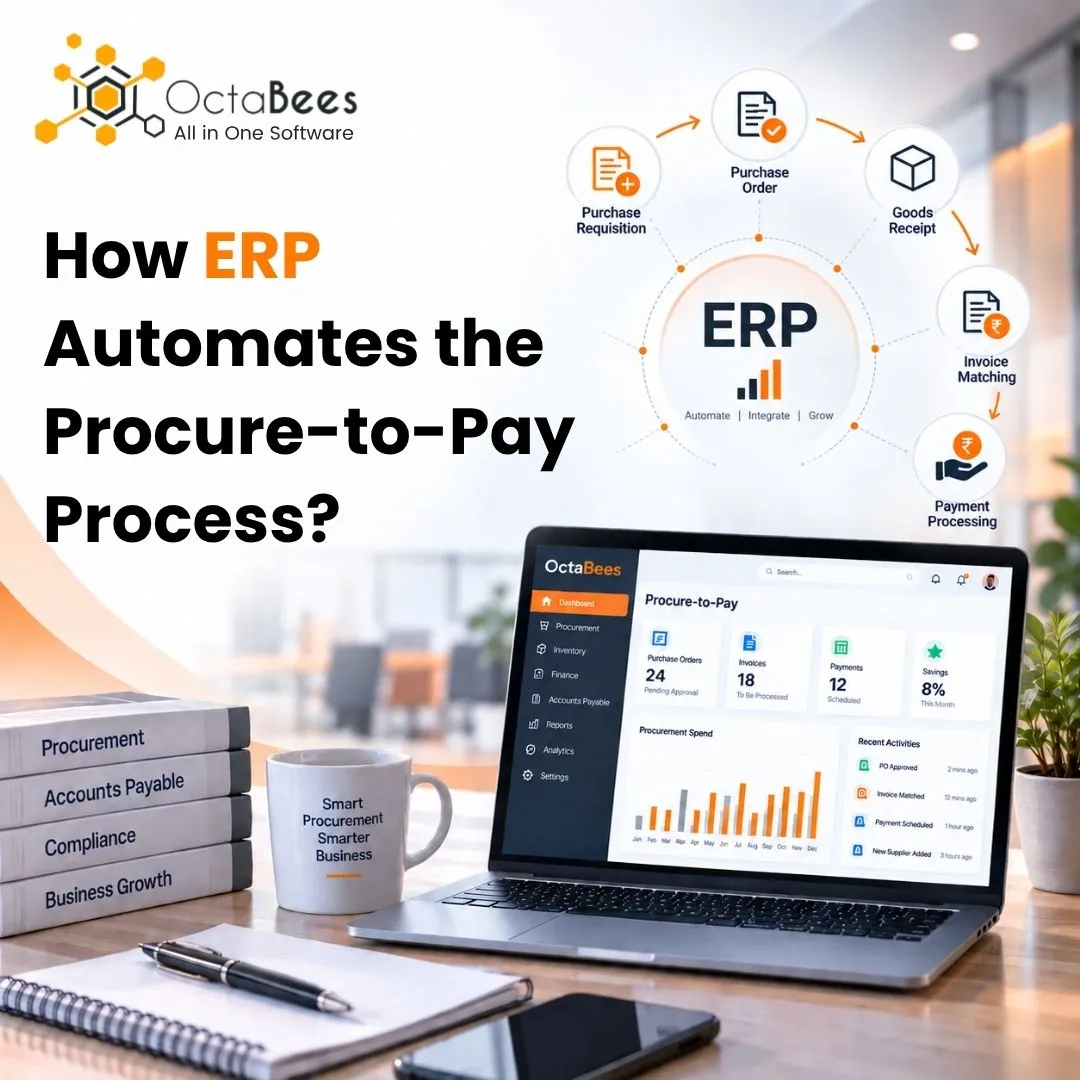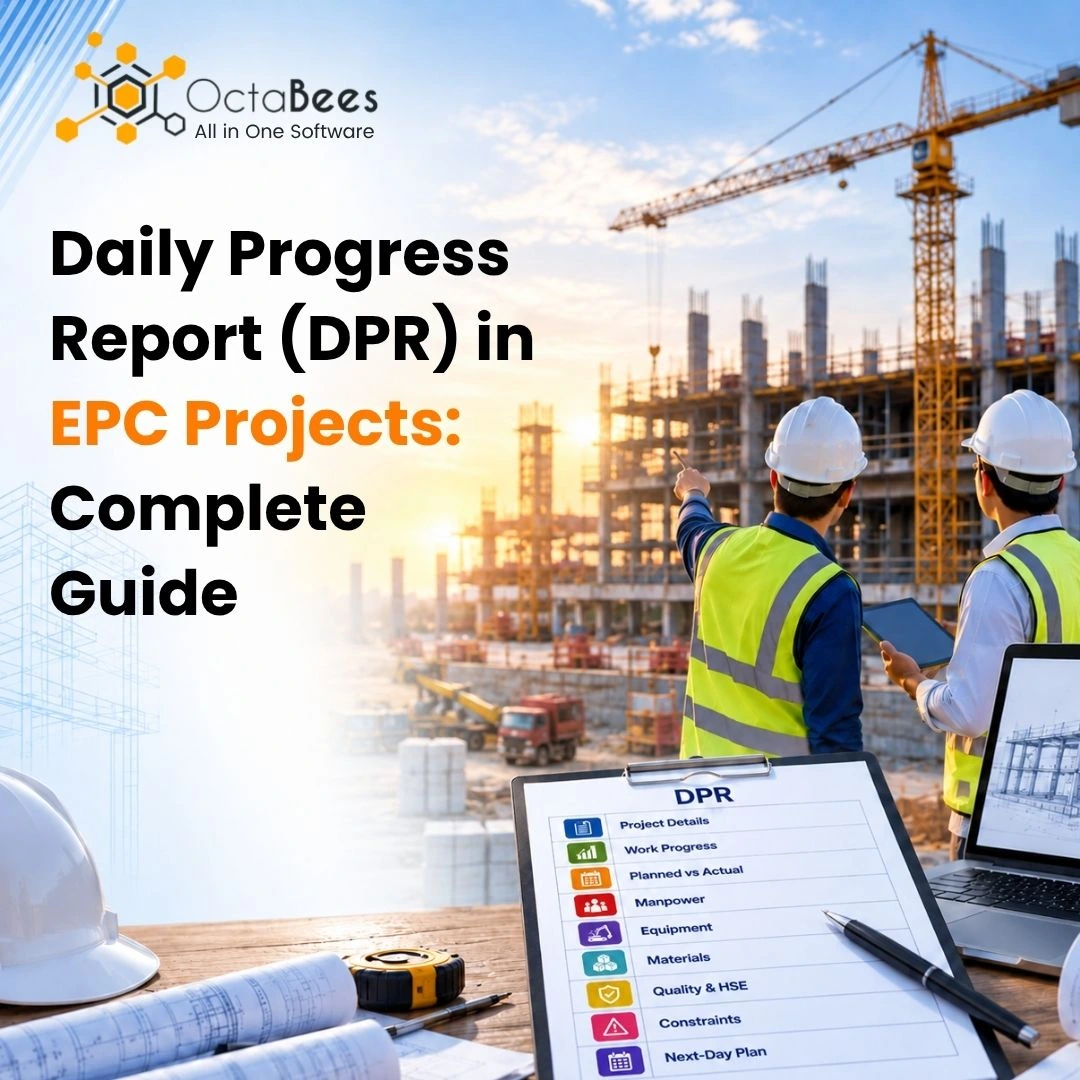

Solar projects involve engineering, procurement, construction, installation, commissioning, and maintenance. Coordinating these activities across multiple…
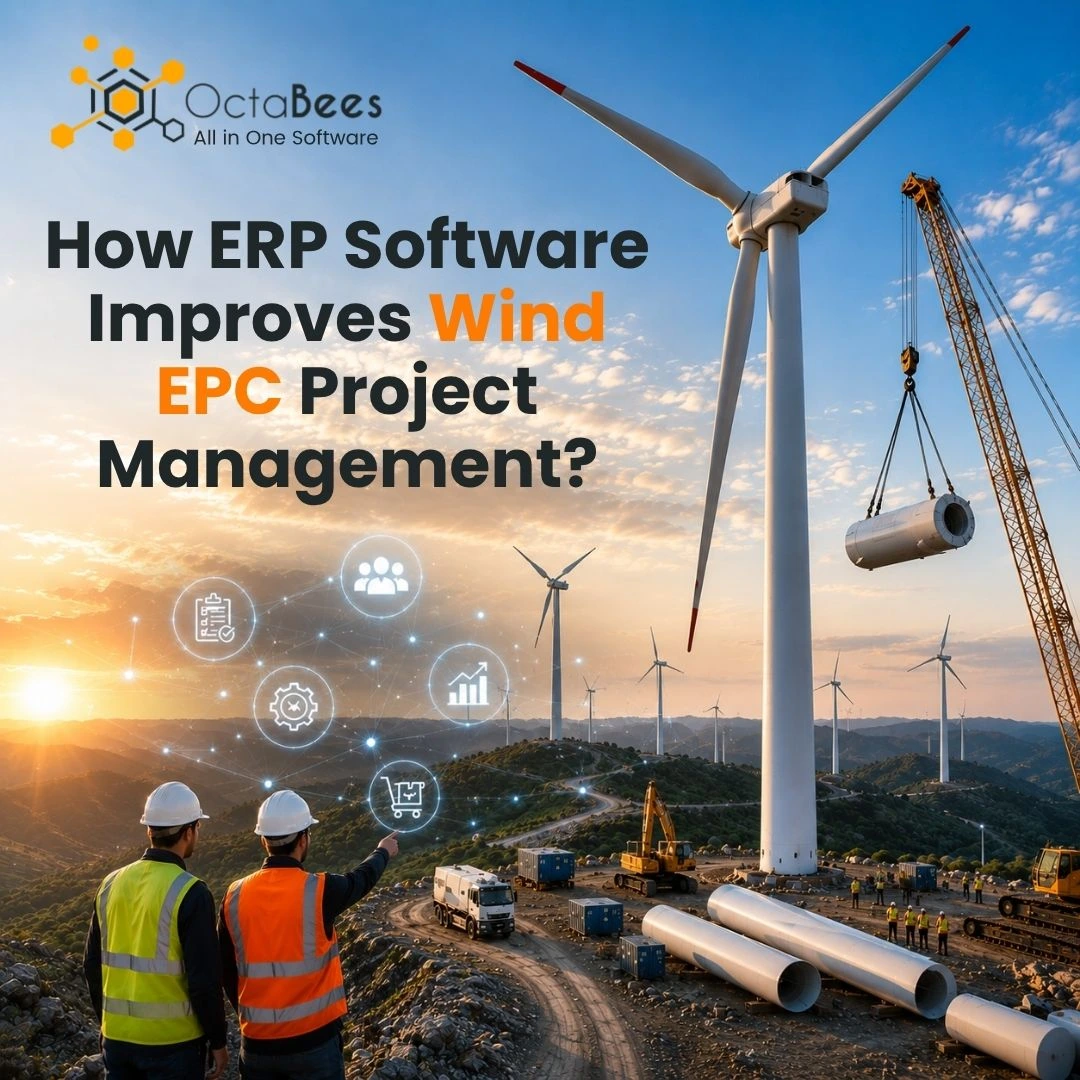
Wind energy projects have become increasingly complex as developers build larger wind farms across multiple locations while managing strict timelines and regulatory requirements. Delivering these projects successfully requires seamless coordination between engineering, procurement, logistics, contractors, quality teams, and field operations. As businesses expand, relying on spreadsheets, emails, and disconnected applications often leads to delays, communication gaps, and limited visibility into project performance. For Wind EPC companies, managing every stage of the project lifecycle through a centralized ERP platform creates greater operational control and transparency. By integrating project planning, procurement, inventory, engineering documentation, financial management, and reporting into one system, ERP software enables organizations to improve productivity, reduce manual work, and make faster, data-driven decisions.
Why Efficient Project Management Is Critical for Wind Projects?
Developing a wind farm involves far more than installing turbines. Every project includes engineering design, long-lead procurement, transportation of heavy equipment, contractor coordination, quality inspections, statutory approvals, commissioning, and long-term maintenance.
For Wind EPC organizations, managing these activities through disconnected systems increases the risk of delays, cost overruns, and resource conflicts. ERP software provides a unified platform where every department works with the same real-time information, improving collaboration and keeping projects aligned with planned schedules.
Centralized Project Planning and Scheduling
Every wind project follows a structured execution plan where delays in one activity can impact multiple downstream tasks. Maintaining complete visibility over milestones, dependencies, contractors, and work packages is essential for successful delivery.
An ERP enables Wind EPC businesses to create detailed project schedules, manage Gantt charts, monitor critical paths, allocate resources, and track milestones from a centralized dashboard. Real-time project visibility allows managers to identify scheduling risks early and take corrective action before they affect project completion.
Better Procurement Management for Long-Lead Equipment
Wind farms depend on critical equipment such as turbines, blades, nacelles, tower sections, transformers, cables, and switchgear, all of which often have long procurement cycles. Even a small delay in material availability can disrupt construction schedules and increase project costs.
ERP software helps Wind EPC companies streamline procurement by managing purchase requisitions, RFQs, comparative statements, vendor evaluations, purchase orders, approvals, and delivery tracking through a single workflow. This improves supplier coordination while ensuring critical equipment reaches project sites on time.
Improved Contractor Coordination Across Multiple Sites
Large wind projects involve numerous contractors responsible for civil works, electrical installations, mechanical erection, transportation, crane operations, testing, and commissioning. Coordinating these teams manually often results in communication gaps and inconsistent progress tracking.
With an ERP, Wind EPC organizations can assign contractor work orders, monitor package-wise progress, manage resource allocation, track billing milestones, and maintain complete visibility across multiple project sites. Better coordination helps reduce delays while improving accountability.
Streamlined Engineering Document Control
Engineering teams generate a large number of technical documents, drawings, specifications, vendor submissions, inspection reports, and revision records throughout the project lifecycle. Using outdated documentation can lead to costly rework and quality issues.
ERP software enables Wind EPC companies to manage engineering documents through Master Document Lists (MDL), drawing version control, approval workflows, revision history, automated BOM generation, and centralized document repositories. Every stakeholder works from the latest approved documentation, reducing errors during execution.
Real-Time Inventory and Material Visibility
Managing high-value equipment across warehouses, storage yards, and remote project locations requires complete inventory visibility. Manual stock records make it difficult to monitor material movement and often result in shortages or unnecessary purchases.
An ERP gives Wind EPC businesses real-time inventory control through barcode scanning, Goods Receipt Notes (GRN), serial number tracking, warehouse management, stock valuation, and material consumption monitoring. This helps ensure critical components are available when required while reducing inventory-related delays.
Looking to improve your Wind EPC operations? Contact Us to explore an ERP platform designed to simplify project management and improve operational efficiency.
Better Cost Control and Financial Management
Project profitability depends on accurate estimation, disciplined budgeting, and continuous monitoring of actual expenses. Material price fluctuations, transportation costs, contractor payments, and engineering changes can significantly affect project margins if they are not tracked effectively.
ERP software allows Wind EPC companies to manage BOQ and BOM-based costing, budget approvals, scenario costing, live rate management, and budget-versus-actual reporting. Real-time financial visibility enables project teams to identify cost variances early and make informed decisions to protect profitability.
Enhanced Field Reporting and Site Monitoring
Keeping track of work performed across remote wind farm locations can be challenging when updates rely on phone calls or manual reports. Delayed information makes it difficult to identify issues and maintain project schedules.
With mobile-enabled ERP applications, Wind EPC companies can capture Daily Progress Reports (DPR), geo-tagged site photographs, manpower deployment, equipment utilization, material consumption, weather conditions, and project constraints directly from the field. Real-time reporting improves communication between office and site teams while enabling faster decision-making.
Improved Quality and Safety Compliance
Quality assurance and workplace safety are essential throughout the construction and commissioning of wind energy projects. Paper-based inspections and manual safety records often make compliance difficult to manage across multiple sites.
ERP software helps Wind EPC organizations digitize quality inspections, Non-Conformance Report (NCR) management, Corrective and Preventive Action (CAPA) workflows, HSE reporting, hazard identification, PPE compliance, and safety training records. Digital documentation simplifies audits while helping teams maintain consistent quality and safety standards.
Better Asset Management and Operations & Maintenance
The responsibility of many EPC companies extends beyond project commissioning to long-term asset maintenance and service management. Managing preventive maintenance schedules, complaints, spare parts, and asset history manually can reduce operational efficiency.
An ERP enables Wind EPC businesses to manage asset registries, preventive maintenance plans, breakdown reporting, spare parts inventory, warranty records, service history, and plant performance analytics from a single platform. This supports higher equipment availability and improves long-term asset performance.
Data-Driven Decision Making Through Real-Time Analytics
As project portfolios grow, management requires timely insights into procurement, execution, costs, inventory, contractor performance, and profitability. Manual reporting often delays important business decisions.
ERP software provides Wind EPC organizations with role-based dashboards, real-time KPIs, project profitability analysis, procurement reports, inventory analytics, scheduled MIS reports, and drill-down reporting. These insights help management identify operational risks, optimize resources, and improve overall business performance.
Benefits of ERP for Wind EPC Project Management
| Project Challenge | How ERP Software Helps |
| Project planning | Centralized scheduling, milestones, Gantt charts, and critical path tracking |
| Long-lead procurement | RFQ management, vendor evaluation, purchase order tracking, and delivery monitoring |
| Contractor coordination | Work orders, package-wise progress tracking, and billing visibility |
| Engineering documentation | MDL, drawing version control, approval workflows, and document repositories |
| Inventory management | Barcode tracking, warehouse control, GRN, and serial number management |
| Field reporting | Mobile DPR, geo-tagged photos, manpower tracking, and live progress updates |
| Budget control | BOQ/BOM costing, budget approvals, and budget-versus-actual reporting |
| Quality & HSE | Digital inspections, NCR management, CAPA, incident reporting, and compliance tracking |
| O&M management | Preventive maintenance, asset history, complaint management, and performance monitoring |
| Business analytics | Dashboards, KPIs, MIS reports, and profitability analysis |
Choosing the Right ERP for Wind EPC Projects
Selecting an ERP platform requires more than comparing software features. The solution should support the complete project lifecycle while addressing the operational challenges unique to renewable energy projects. Wind EPC businesses should look for capabilities such as project planning, procurement, engineering document control, contractor management, inventory tracking, HSE management, quality assurance, O&M, and real-time analytics. A scalable ERP with mobile access and industry-specific workflows enables organizations to improve efficiency while supporting future business growth.
Why Digital Transformation Is Reshaping Wind EPC Operations?
Digital transformation has become essential for organizations managing increasingly complex renewable energy projects. Traditional processes can no longer provide the visibility, speed, and collaboration required for modern project execution. By implementing an integrated ERP platform, Wind EPC companies can centralize operations, automate workflows, improve decision-making, and gain real-time visibility into every project. This creates a stronger operational foundation that supports timely project delivery, improved profitability, and sustainable business growth.
Frequently Asked Questions
ERP software centralizes project planning, procurement, engineering, inventory, finance, contractor management, and reporting into one platform, improving visibility and operational efficiency throughout the project lifecycle.
ERP automates purchase requisitions, RFQs, comparative statements, vendor evaluations, purchase orders, and delivery tracking, helping organizations manage long-lead equipment more efficiently.
Yes. ERP provides centralized project scheduling, milestone tracking, resource allocation, dashboards, and real-time reporting, allowing teams to manage multiple projects simultaneously.
Yes. ERP manages Master Document Lists (MDL), drawing revisions, approval workflows, technical documentation, and version control to ensure teams always work with the latest approved documents.
ERP offers barcode-based inventory tracking, warehouse management, serial number tracking, Goods Receipt Notes (GRN), and material consumption monitoring to improve inventory accuracy.
Conclusion
Managing modern wind energy projects requires complete visibility across planning, procurement, engineering, execution, inventory, quality, and long-term maintenance. As projects become larger and more complex, manual processes make it increasingly difficult to maintain efficiency and profitability. Wind EPC companies can overcome these challenges by implementing an integrated ERP platform that connects every department through a single source of truth. With real-time project tracking, automated workflows, improved collaboration, and actionable business insights, ERP software enables organizations to deliver projects more efficiently, reduce operational risks, and build a scalable foundation for future growth.
Related Posts