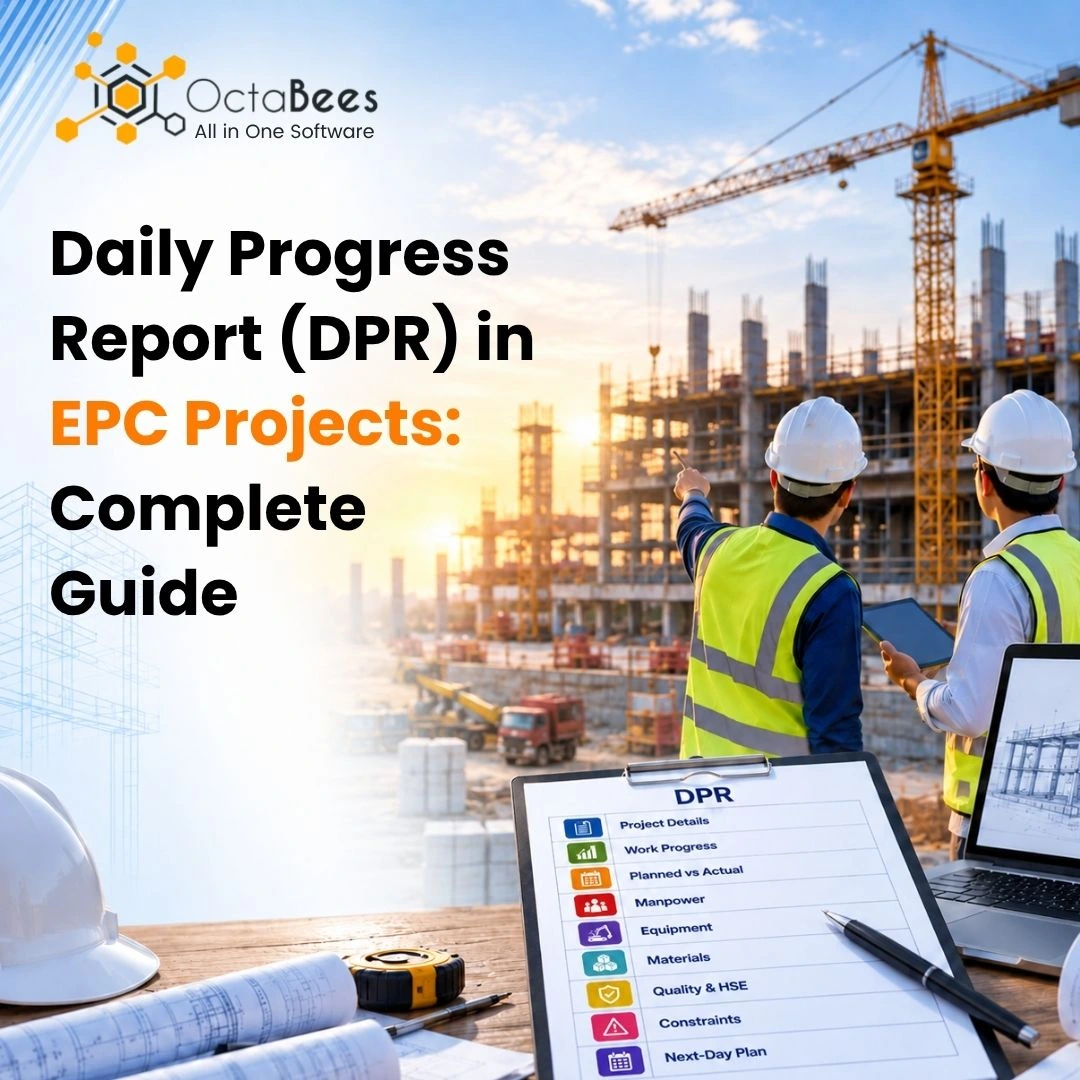

Managing large-scale construction work requires more than periodic status meetings. Site activities can change daily…
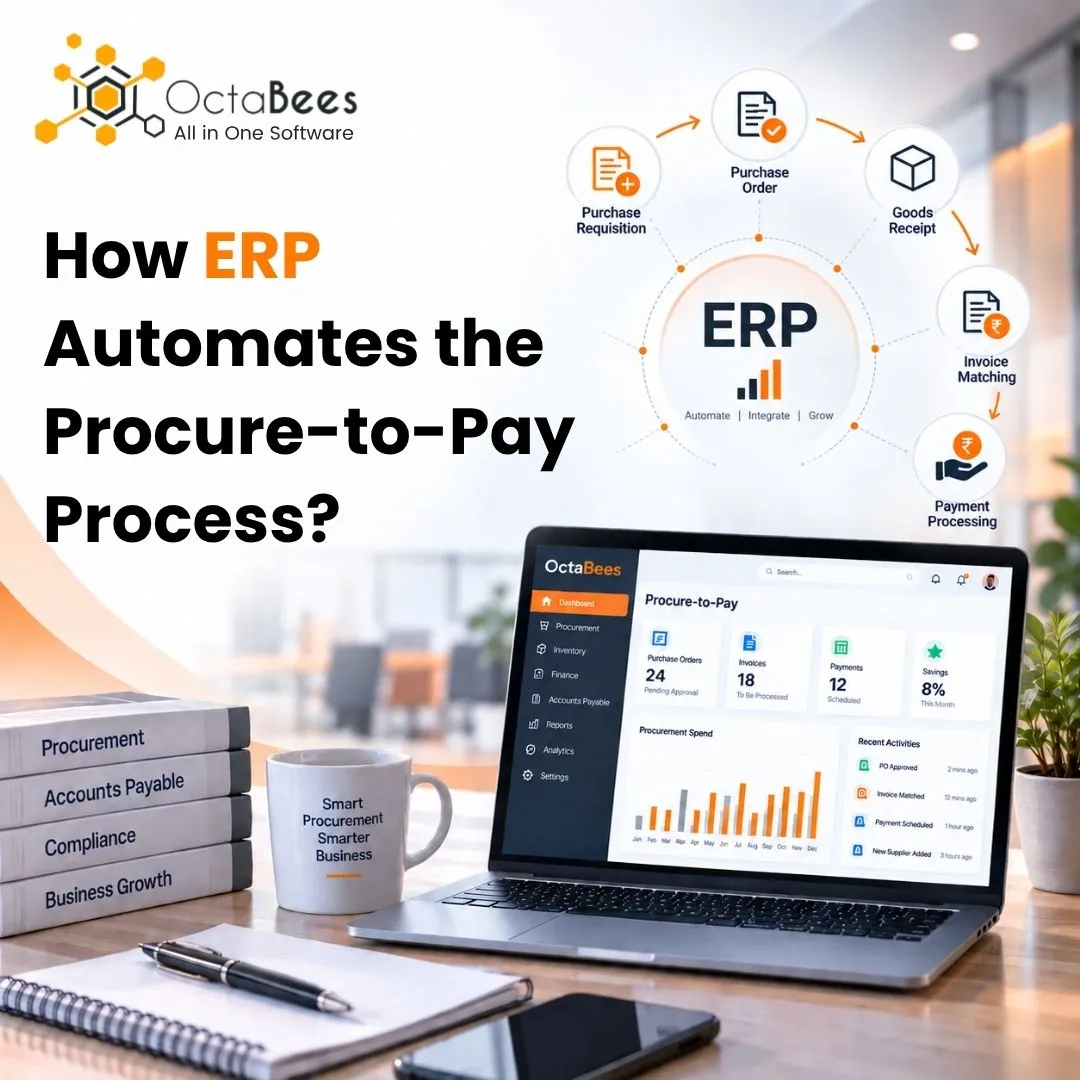
The procure-to-pay (P2P) process covers everything from identifying a purchasing requirement to paying the supplier. When these activities are handled through spreadsheets, emails, and disconnected systems, businesses often face approval delays, duplicate entries, purchase order errors, and limited visibility into spending. A structured digital workflow can make the process faster and easier to control. With ERP Software, procurement, purchasing, inventory, accounts payable, and finance teams can work with connected data across the entire P2P cycle. Automation helps route approvals, create and track purchase orders, record goods receipts, match invoices, and maintain payment information in one system. This reduces repetitive administrative work while giving businesses better control over procurement costs, vendors, and cash flow.
What Is the Procure-to-Pay Process?
Procure-to-pay is the complete purchasing cycle that begins when a business identifies a requirement and ends when the supplier receives payment. With ERP Software, businesses can connect these purchasing activities through a centralized and structured workflow.
The typical P2P workflow includes:
- Purchase requisition and requirement identification
- Supplier selection and quotation management
- Purchase order creation and approval
- Goods or service receipt
- Invoice verification
- Payment processing and record keeping
An automated workflow connects these stages instead of requiring teams to manage each step separately.
How ERP Software Automates Procure-to-Pay?
From purchase requests to supplier payments, ERP Software connects each stage of the procure-to-pay cycle through centralized data and automated workflows. This reduces repetitive work while improving visibility and process control.
1. Digitizes Purchase Requisitions
Employees can raise purchase requests digitally with required items, quantities, specifications, and supporting documents. ERP Software can route these requests through predefined approval workflows, reducing email-based follow-ups.
2. Streamlines RFQs and Vendor Management
Procurement teams can issue requests for quotations, compare supplier responses, and maintain centralized vendor information. This supports more organized vendor management and helps buyers make decisions using consistent purchasing data.
3. Automates Purchase Order Processing
Once a purchase is approved, the system can generate purchase orders using approved requisition and supplier information. Teams can track PO status, quantities, delivery dates, and pending actions from a centralized dashboard.
4. Connects Receiving with Inventory
When materials arrive, receiving teams can record goods receipts against the relevant purchase order. This creates a connection between procurement automation and inventory management, improving stock visibility and reducing manual data entry.
5. Simplifies Invoice Matching
ERP workflows can compare purchase orders, goods receipts, and supplier invoices. This three-way matching process helps identify quantity or price discrepancies before an invoice moves forward for payment.
6. Improves Payment Control
After verification and approval, payment information can flow to the finance process. This gives accounts teams better visibility into outstanding invoices, payment status, supplier liabilities, and upcoming obligations.
Key Benefits of Automating P2P
Automating P2P with ERP Software helps businesses connect procurement, inventory, accounts payable, and finance workflows while reducing manual effort and improving control.
| Manual P2P Challenge | Automated ERP Approach | Business Benefit |
| Email-based approvals | Configurable workflows | Faster approvals |
| Manual PO creation | Automated PO generation | Fewer errors |
| Scattered vendor records | Centralized database | Better vendor visibility |
| Invoice discrepancies | Three-way matching | Better payment control |
| Limited spending visibility | Real-time reports | Improved cost monitoring |
Businesses can also benefit from:
- Reduced repetitive administrative work
- Better procurement compliance
- Improved purchase order tracking
- Faster invoice processing
- Stronger supplier coordination
- Better audit trails and reporting
Why Is ERP Important for Procure-to-Pay?
A connected P2P system gives procurement and finance teams a shared view of purchasing activities. With ERP Software, businesses can track requests, orders, receipts, invoices, and payments through connected workflows instead of relying on separate records. This improves procure-to-pay automation while supporting stronger financial visibility, process control, and operational efficiency.
Want to streamline procurement and finance workflows? Contact us to explore how ERP can support a more connected procure-to-pay process.
Common Challenges in a Manual Procure-to-Pay Process
Managing P2P activities manually can create bottlenecks across procurement and finance. When information is spread across spreadsheets, emails, and disconnected systems, ERP Software can help centralize purchasing data and standardize workflows.
Common challenges include:
- Delayed purchase approvals
- Duplicate or incorrect purchase orders
- Limited supplier and purchase visibility
- Difficulty matching invoices with POs and receipts
- Manual data entry across departments
- Delays in identifying payment discrepancies
By connecting these activities within one system, businesses can reduce process gaps and improve coordination between procurement, stores, and finance teams.
How ERP Improves P2P Visibility and Control?
Beyond automation, ERP Software provides greater visibility across every stage of the procure-to-pay cycle. Procurement managers can monitor purchase requests, pending approvals, supplier orders, deliveries, and invoice status from centralized dashboards.
Real-time information helps businesses identify delayed orders, outstanding invoices, and purchasing discrepancies earlier. This supports better procurement management, spending control, supplier coordination, and financial planning while maintaining a clear audit trail of transactions.
Frequently Asked Questions
Procure-to-pay automation uses digital workflows to manage purchasing activities from requisition and supplier selection through purchase orders, receiving, invoice verification, and payment.
ERP systems connect requisitions, approvals, RFQs, purchase orders, receiving, invoices, and payment processes within one platform, reducing manual work and improving process visibility.
Yes. Automated validation and three-way matching can compare purchase orders, goods receipts, and invoices to identify discrepancies before payment processing.
ERP centralizes supplier information, quotation records, purchase history, and transaction data, helping procurement teams maintain organized vendor records and monitor purchasing activities.
Key benefits include faster approvals, better purchase tracking, reduced manual entry, improved invoice control, stronger audit trails, and greater visibility into procurement spending.
Conclusion
An efficient procure-to-pay process requires coordination between procurement, suppliers, warehouse teams, accounts payable, and finance. Automating these activities can reduce manual intervention and make purchasing information easier to track. ERP Software connects the P2P workflow so businesses can manage requisitions, approvals, purchase orders, receipts, invoices, and payments through a structured process. With better visibility and standardized workflows, organizations can strengthen procurement control while reducing avoidable delays and errors. For businesses looking to improve operational efficiency, P2P automation provides a practical way to create a more connected purchasing and financial workflow.
Related Posts