
Engineering, Procurement, and Construction (EPC) projects involve multiple teams, contractors, suppliers, documents, materials, budgets, and…

Cost management is one of the most important aspects of renewable energy EPC execution. Large equipment purchases, contractor packages, logistics, inventory, site activities, and changing project requirements can make it difficult to maintain a clear view of project spending. This becomes even more challenging when multiple projects are being executed across different locations. ERP Software for Wind EPC can connect procurement, inventory, project execution, contractor expenses, and finance in one system, helping teams track costs against project plans. Similarly, ERP Software for Solar EPC can provide centralized visibility into budgets, purchase commitments, material consumption, project progress, and actual expenses. Instead of relying on disconnected spreadsheets and reports, EPC teams can use integrated data to identify cost variations and make faster project decisions.
Why ERP-Based Cost Management Matters in Renewable EPC?
Solar and wind projects involve several cost-intensive activities that need continuous monitoring. Procurement, construction, logistics, contractors, inventory, and project packages may all contribute to the final project cost. ERP Software for Solar EPC can help teams connect these activities with project budgets and financial data.
An integrated ERP platform can help teams:
- Monitor project budgets and actual expenses
- Track committed procurement costs
- Connect material consumption with projects
- Monitor contractor and package-wise expenses
- Compare planned and actual project costs
- Generate real-time financial reports
How ERP Software Helps Solar EPC Cost Management?
A solar project can involve modules, inverters, mounting structures, cables, transformers, civil works, and electrical installation. ERP Software for Solar EPC can connect these activities with project budgets and procurement workflows.
For example, purchase requisitions can move through RFQ, approval, PO, GRN, and invoice stages while maintaining a financial record. Project managers can also track material allocation and package-wise expenses to identify unexpected cost variations.
How ERP Software Helps Wind EPC Cost Management?
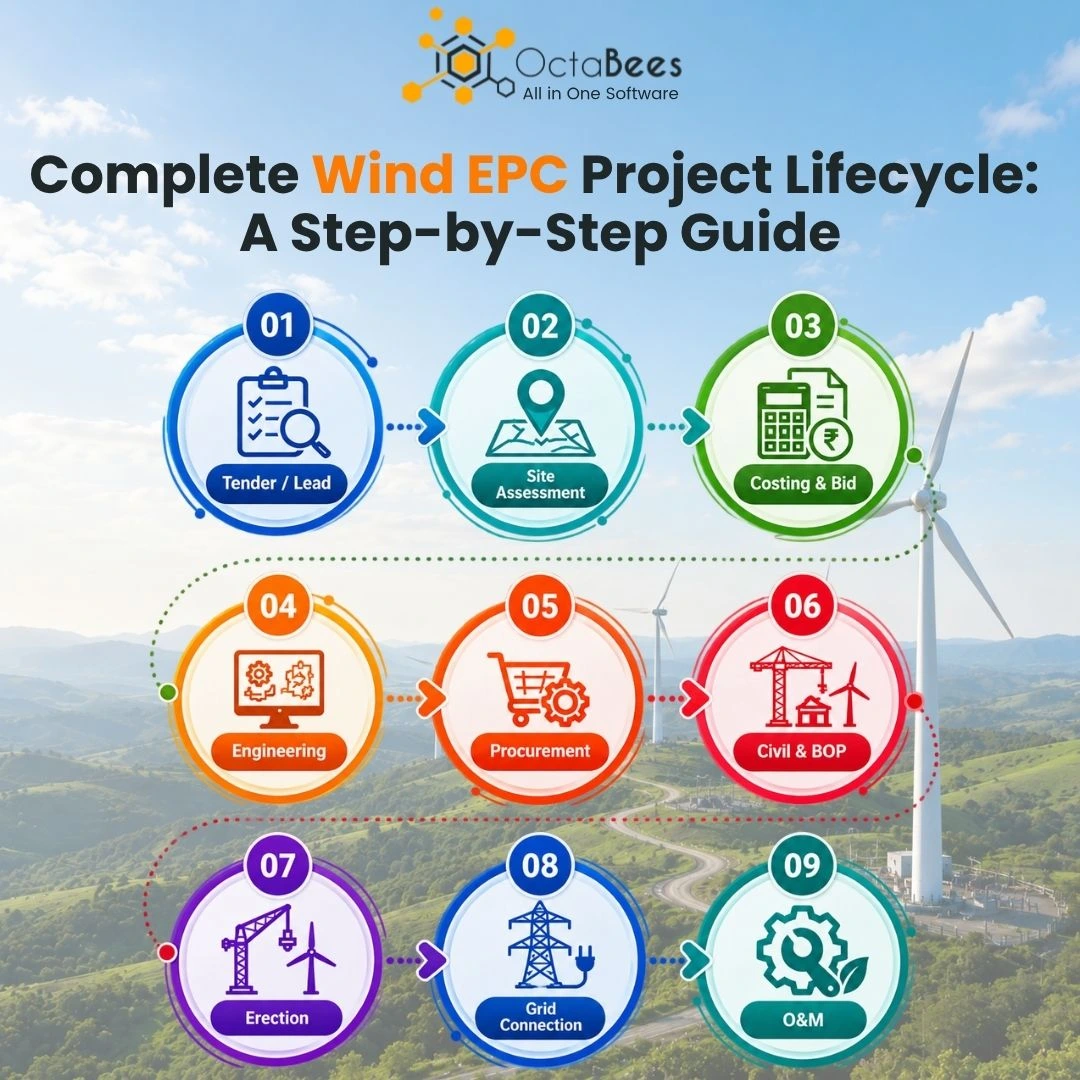
Wind projects involve turbines, towers, blades, foundations, roads, electrical infrastructure, transportation, cranes, and multiple contractors. These activities can create complex cost structures across remote project sites.
With ERP Software for Wind EPC, teams can track procurement commitments, contractor work orders, material issues, logistics expenses, and turbine-wise project costs. Connecting these records helps management understand how individual packages and activities are affecting overall project spending.
Key ERP Features for Project Cost Control
| Cost Management Requirement | ERP Capability | Benefit |
| Budget monitoring | Budget vs. actual tracking | Better cost visibility |
| Procurement | PR-RFQ-PO workflow | Purchase control |
| Material costs | Inventory and GRN tracking | Reduced material discrepancies |
| Contractor costs | Work orders and billing | Package-wise monitoring |
| Project reporting | Dashboards and MIS | Faster decisions |
| Finance | Accounting integration | Connected financial data |
Real-Time Cost Visibility Across Multiple Projects
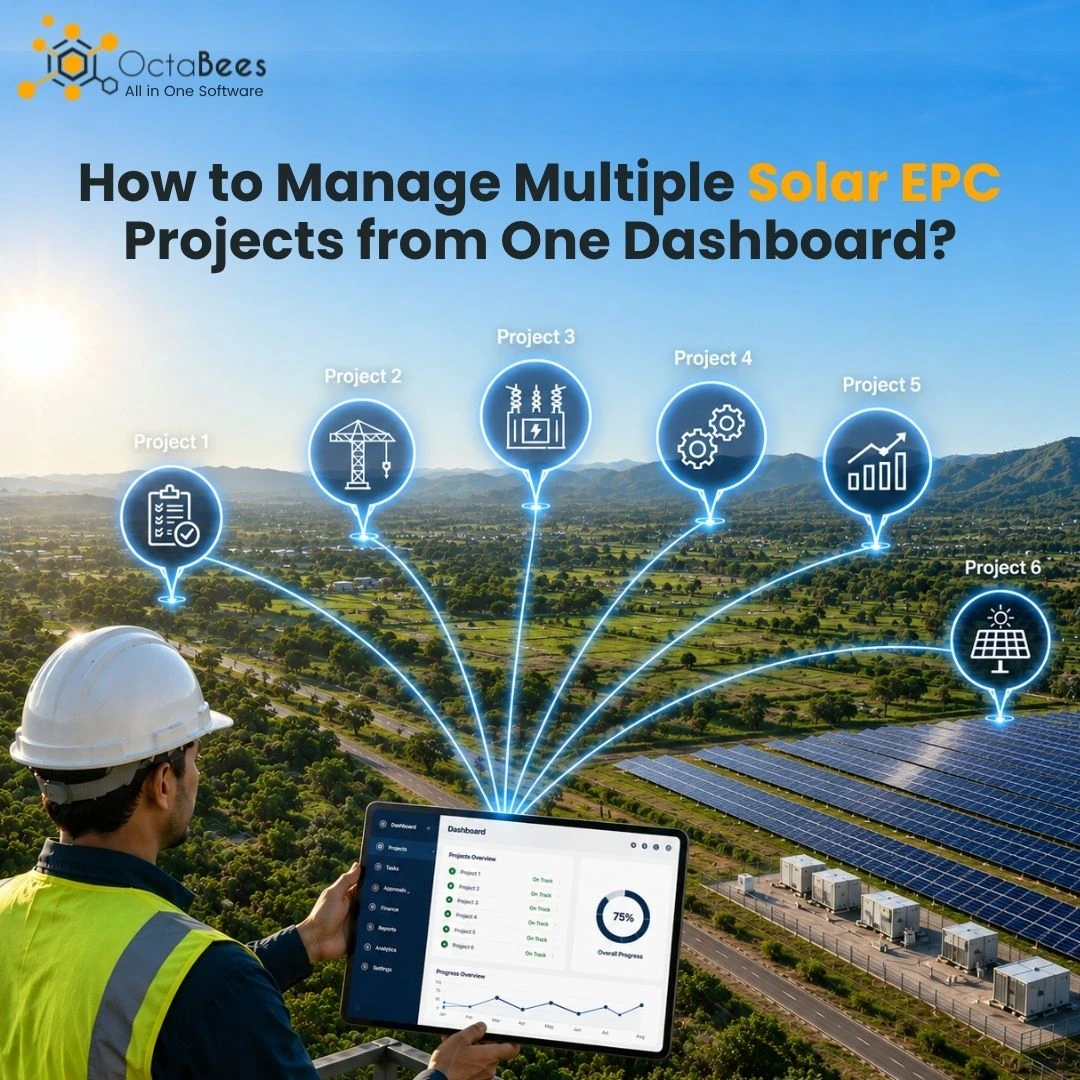
When EPC companies manage several solar or wind projects simultaneously, consolidated reporting becomes essential. ERP Software for Solar EPC and ERP Software for Wind EPC can bring project budgets, procurement commitments, actual expenses, progress, and profitability information together through centralized dashboards.
This allows management to review individual projects as well as the overall portfolio without waiting for manually prepared reports.
Benefits of ERP-Based Cost Management
A connected ERP system can help renewable EPC companies achieve:
- Better budget visibility
- Faster identification of cost variances
- Improved procurement control
- Greater material traceability
- Better contractor cost monitoring
- Centralized project financial reporting
- Improved coordination between project and finance teams
Looking to improve cost visibility across Solar and Wind EPC projects? Contact us to explore how ERP Software can connect project, procurement, inventory, and financial workflows.
How ERP Connects Procurement with Project Costs?
Procurement is one of the largest cost components in both solar and wind EPC projects. When purchase information is managed separately from project accounts, it can become difficult to identify committed costs and compare them with approved budgets.
An ERP Software for Solar EPC can connect purchase requisitions, RFQs, purchase orders, GRNs, invoices, and project budgets. This allows teams to understand not only what has already been spent but also what has been committed through approved purchases.
For wind projects, the same approach can help track high-value turbine components, transportation, cranes, electrical equipment, and balance-of-plant purchases against individual project packages.
ERP-Based Budget vs. Actual Cost Tracking
Budget control becomes more effective when project teams can continuously compare planned costs with actual spending. Instead of waiting for periodic manual reports, an integrated ERP system can consolidate financial and operational transactions as they occur.
With ERP Software for Wind EPC, project teams can monitor turbine-wise, package-wise, or site-wise expenses and identify areas where spending differs from the approved budget. For solar projects, teams can similarly monitor equipment, civil, electrical, installation, and other package-level costs.
This helps management:
- Identify cost variations earlier
- Review committed and actual expenses
- Monitor package-wise budgets
- Track project profitability
- Take corrective action based on current data
Frequently Asked Questions
ERP connects procurement, inventory, project execution, contractors, and finance, allowing teams to compare budgets, commitments, and actual expenses from a centralized system.
Yes. ERP platforms can provide project-wise dashboards and reports, allowing management to compare budgets, expenses, progress, and profitability across multiple sites.
ERP can connect turbine procurement, logistics, contractor work orders, material issues, project packages, and financial information to provide better cost visibility.
Yes. Contractor work orders, package-wise progress, material issues, bills, and related expenses can be connected to individual projects or work packages.
Yes. Procurement workflows can connect requisitions, RFQs, purchase orders, goods receipts, invoices, and project budgets to provide better purchasing and cost visibility.
Conclusion
Cost management in renewable EPC projects requires visibility across procurement, inventory, contractors, project execution, and finance. ERP Software for Wind EPC can help organizations manage complex turbine, logistics, BOP, and contractor-related costs through connected workflows. At the same time, ERP Software for Solar EPC can bring equipment procurement, material allocation, construction packages, and project finances into one centralized system. Rather than depending on disconnected spreadsheets and delayed reports, EPC teams can use integrated dashboards to monitor budgets, commitments, actual expenses, and project performance. This connected approach can improve financial visibility and help management make informed decisions throughout the project lifecycle.
Related Posts