The procure-to-pay (P2P) process covers everything from identifying a purchasing requirement to paying the supplier…
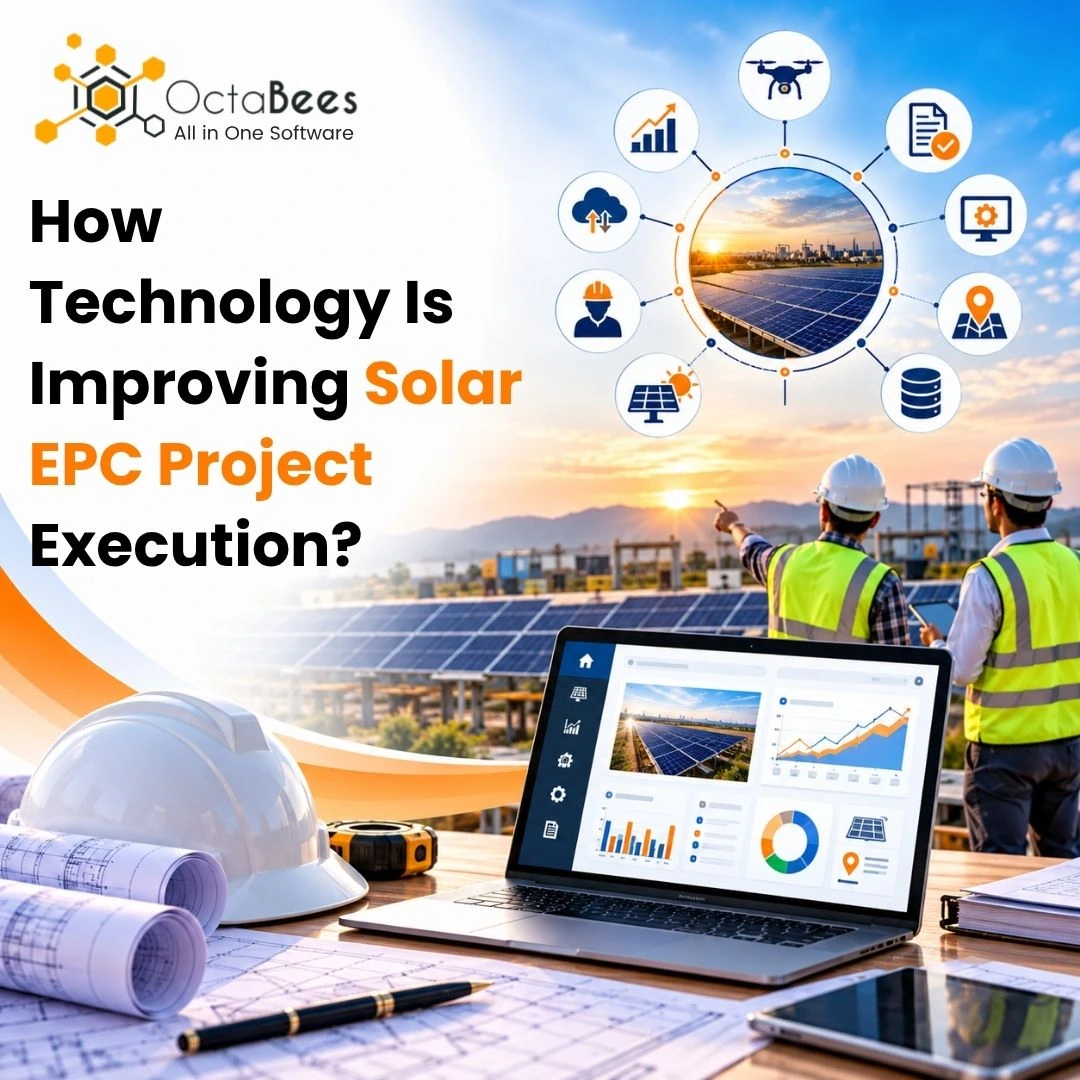
Solar projects involve engineering, procurement, construction, installation, commissioning, and maintenance. Coordinating these activities across multiple teams and sites can become difficult when project information is scattered across spreadsheets, emails, and manual reports. Technology is changing how EPC companies plan work, track materials, monitor site progress, and manage project costs. Through digital engineering tools, mobile field applications, automated procurement, and centralized dashboards, teams can access reliable information and identify execution problems earlier. For companies delivering a Solar EPC project, these technologies help connect office operations with on-site activities, improve contractor coordination, and maintain better control over schedules and resources.
1. Digital Planning and Real-Time Progress Tracking
Project management platforms allow teams to organize schedules, milestones, dependencies, and work packages. For Solar EPC execution, dashboards can compare planned progress with actual site updates, helping managers identify delays in civil works, mounting structures, module installation, and electrical activities.
This improves project visibility and helps teams coordinate activities before schedule deviations affect subsequent work.
2. Engineering and Document Control
Solar projects involve layouts, structural drawings, single-line diagrams, BOQs, and technical approvals. Digital document management helps teams maintain revision histories, track approvals, and access the latest approved drawings. For a Solar EPC team, this reduces the risk of working with outdated documents and connects engineering deliverables with procurement and site execution.
3. Automated Procurement and Material Tracking
Solar installations require timely deliveries of modules, inverters, cables, transformers, and mounting structures. Digital procurement systems connect purchase requisitions, RFQs, purchase orders, goods receipts, and inventory records. In Solar EPC operations, barcode or serial-level tracking can improve material traceability from warehouse receipt to site allocation and installation, helping teams identify shortages earlier.
4. Mobile Field Reporting and Contractor Coordination
Mobile applications allow site engineers to submit daily progress reports, update task status, record material receipts, capture site photos, and report issues directly from the field. For Solar EPC companies, digital work orders and contractor progress tracking help managers monitor responsibilities and package-wise execution without relying entirely on phone calls or delayed spreadsheets.
Looking to improve solar project visibility and execution control? Contact us to explore integrated ERP solutions for renewable energy projects.
5. Cost, Quality, and Safety Monitoring
Integrated systems can connect project budgets with procurement, inventory, contractor expenses, and actual progress. For Solar EPC projects, dashboards help managers review committed costs, actual spending, and budget variances. Digital quality and safety tools also support inspection checklists, non-conformance reports, corrective actions, incident reporting, and safety observations.
Key Technologies Improving Solar EPC Execution
| Technology | Application | Execution Benefit |
| Project management software | Schedules and milestones | Better progress visibility |
| Document management | Drawings and approvals | Fewer revision errors |
| ERP software | Procurement, inventory, finance | Connected workflows |
| Mobile applications | DPRs and site updates | Faster field reporting |
| Digital QA/QC and HSE | Inspections and safety records | Better compliance tracking |
6. Digital Commissioning and Project Handover
Technology supports the final stages of execution through digital commissioning checklists, inspection records, approvals, test documentation, and handover files. In Solar EPC projects, teams can track outstanding activities and verify that required documents are available before project closure.
After commissioning, connected asset and O&M records can support maintenance planning, service requests, and performance monitoring.
How ERP Connects the Solar EPC Lifecycle?
Technology delivers greater value when systems share information instead of operating independently. For Solar EPC companies, an integrated ERP platform can connect lead management, engineering, procurement, inventory, site execution, commissioning, and O&M.
This helps project teams access consistent information, track material movement, coordinate contractors, and monitor progress across multiple sites.
Benefits of Technology-Driven Solar EPC Execution
Digital workflows can help companies achieve:
- Better project schedule visibility
- Faster procurement coordination
- Improved material traceability
- More accurate cost monitoring
- Reduced manual reporting
- Better coordination between office and site teams
Frequently Asked Questions
Technology connects project planning, procurement, inventory, field reporting, quality, safety, and finance, helping teams monitor progress and coordinate activities more effectively.
ERP connects project schedules, procurement, inventory, costs, contractors, and reporting through centralized workflows, improving visibility across the project lifecycle.
Digital tracking can help teams identify procurement gaps, delayed activities, and material shortages earlier, allowing them to take corrective action.
Mobile reporting allows site teams to update progress, record receipts, submit inspections, and report issues without relying entirely on manual office-based reporting.
Inventory systems can record goods receipts, transfers, site allocations, and material issues, helping teams understand where materials are located and how they are being used.
Conclusion
Technology is improving solar project execution by connecting engineering, procurement, construction, field operations, quality, safety, and commissioning through coordinated digital workflows. For a Solar EPC company, these capabilities help teams track actual progress, manage material availability, control project information, and identify execution issues earlier. Mobile reporting improves communication between site and office teams, while integrated systems provide better visibility into procurement commitments and project costs. Digital document control and commissioning tools also support smoother approvals and handover. The greatest benefit comes when technologies work together around the project’s actual workflow, helping EPC teams make informed decisions and maintain stronger control from initial planning through commissioning and ongoing operations.
Related Posts