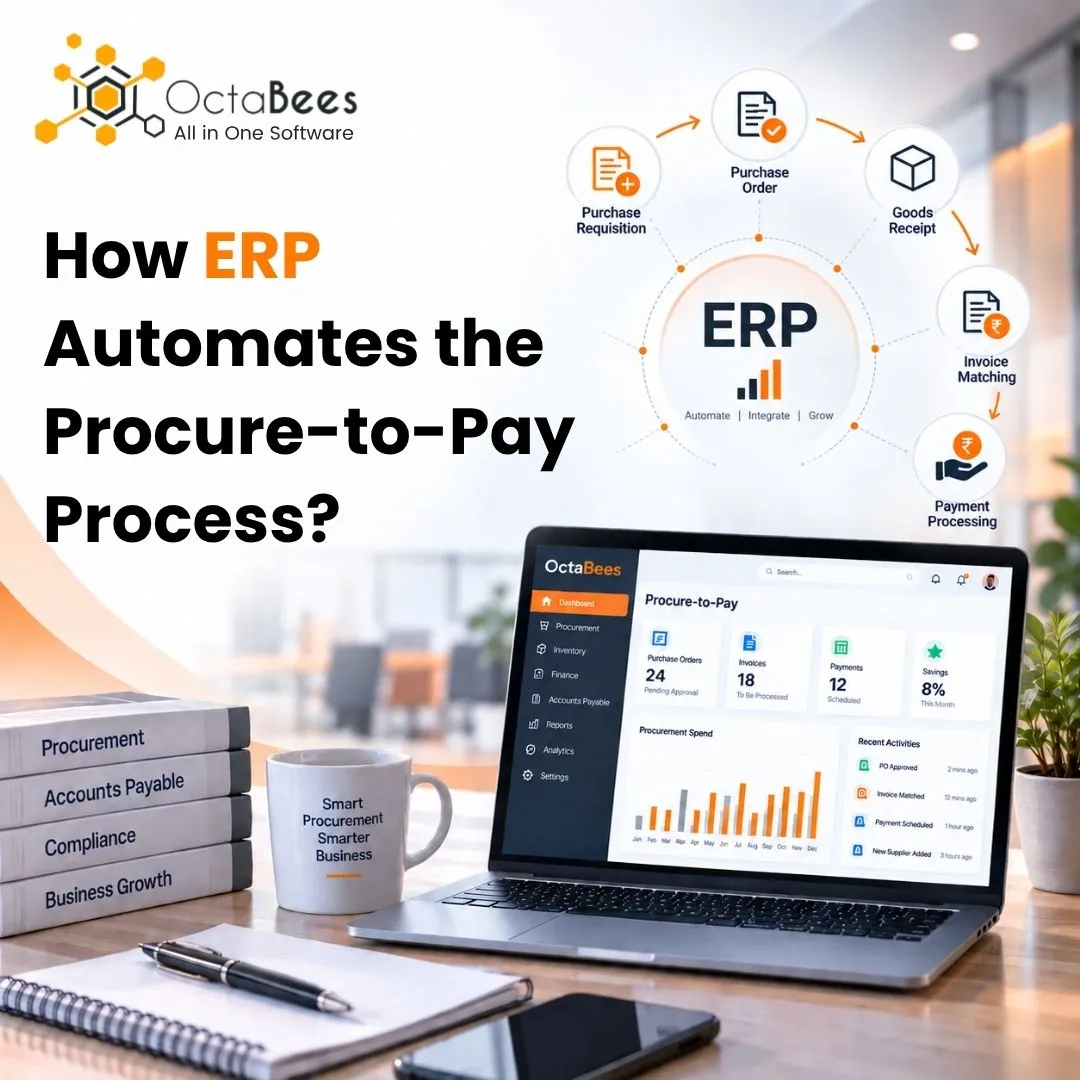

The procure-to-pay (P2P) process covers everything from identifying a purchasing requirement to paying the supplier…
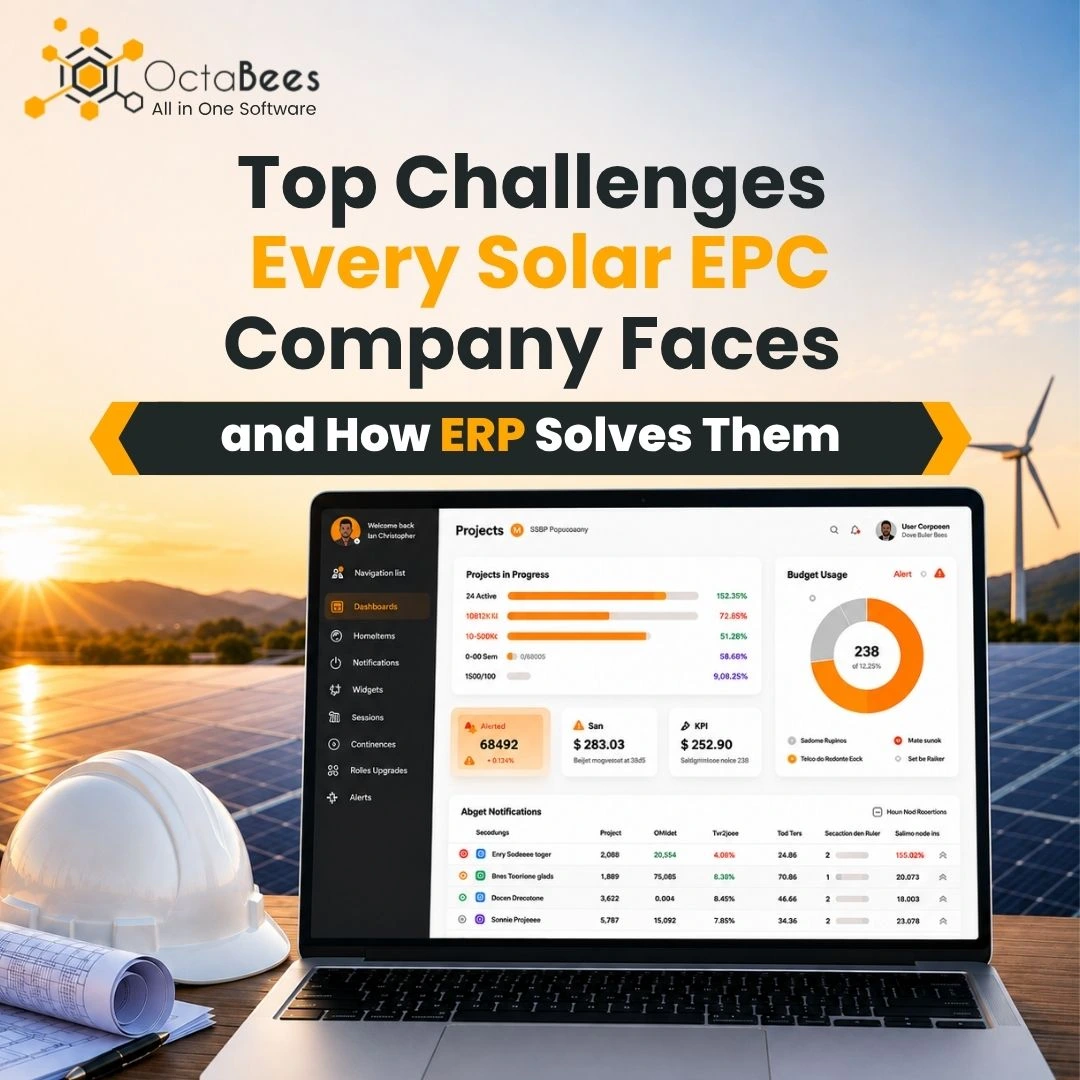
The solar industry continues to expand as businesses, homeowners, and governments invest in renewable energy solutions. While this growth creates enormous opportunities, it also brings operational complexity for companies responsible for delivering projects efficiently. Managing multiple installations, coordinating field teams, handling procurement, maintaining project profitability, and meeting regulatory requirements can become increasingly difficult without a centralized system. Solar EPC businesses often rely on multiple spreadsheets, disconnected software, and manual communication, which increases the chances of delays, cost overruns, and miscommunication. A modern ERP platform brings every department onto a single system, providing real-time visibility into projects, resources, finances, and field operations. By streamlining workflows and automating routine processes, businesses can improve decision-making, enhance collaboration, and successfully manage projects from enquiry to commissioning and long-term maintenance.
Why Operational Challenges Are Growing for Solar EPC Companies?
The rapid increase in residential, commercial, industrial, and utility-scale solar installations has significantly increased operational complexity. Every project involves multiple stakeholders, engineering teams, procurement activities, inventory movement, site execution, regulatory approvals, and financial tracking.
As companies grow, handling these processes manually becomes increasingly difficult. Different teams often work in isolation, leading to duplicated work, delayed decisions, and inaccurate project information.
Without a centralized business management platform, even experienced organizations may struggle to maintain profitability while delivering projects on time.
Challenge 1: Managing Multiple Projects Simultaneously
Solar EPC companies frequently execute dozens or even hundreds of projects at different stages. Some projects may be awaiting approvals, while others are under procurement, installation, testing, or commissioning.
Tracking each project’s progress manually often results in missed deadlines, delayed resource allocation, and limited visibility into overall performance.
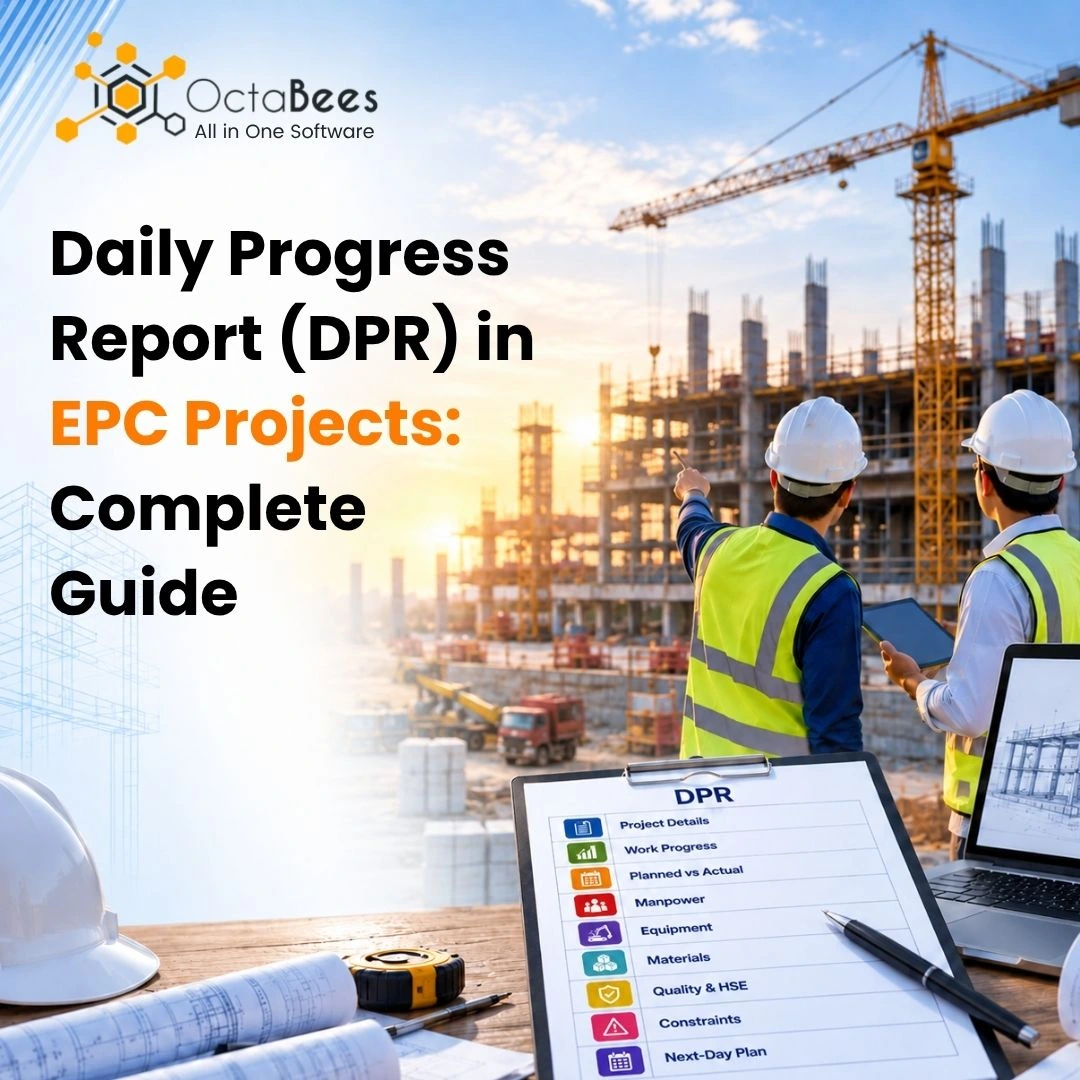
An ERP platform enables centralized project management by providing real-time dashboards, milestone tracking, project schedules, task assignments, and Daily Progress Reports (DPRs). Managers can monitor every project from a single interface, ensuring better coordination across office and field teams.
Challenge 2: Delays in Procurement and Material Availability
Solar projects depend on timely availability of panels, inverters, mounting structures, cables, and other components. Delayed procurement or incorrect material planning can halt installation activities and increase project costs.
Procurement teams also need to compare vendor quotations, monitor purchase orders, and track deliveries across multiple project sites.
An ERP streamlines procurement through purchase requisitions, RFQ management, automated quotation comparisons, purchase order tracking, vendor performance monitoring, and approval workflows. Real-time procurement visibility helps reduce delays while improving purchasing decisions.
Challenge 3: Inventory Mismanagement Across Project Sites
Managing inventory across warehouses and multiple installation sites is one of the biggest operational challenges. Material shortages, duplicate purchases, theft, and inaccurate stock records directly affect project timelines and profitability.
Manual inventory tracking often fails to provide accurate information about material movement and consumption.
An ERP provides centralized inventory management with barcode-based tracking, Goods Receipt Notes (GRN), warehouse management, serial number tracking, material issue records, inventory valuation, and consumption monitoring. Teams always know where materials are located and how they are being utilized.
Challenge 4: Difficulty in Tracking Field Activities
Project managers require continuous updates from installation teams working across different locations. Depending on phone calls, messaging applications, or manual reports often creates communication gaps and delays in decision-making.
Without structured reporting, it becomes difficult to measure actual site progress or identify issues before they affect project schedules.
An ERP addresses this challenge with mobile-enabled field applications that allow engineers to submit Daily Progress Reports, upload geo-tagged site photographs, update completed activities, request materials, report delays, and record site observations in real time. This improves transparency and allows management to monitor project execution from anywhere.
Challenge 5: Inaccurate Cost Estimation and Budget Control
Project profitability largely depends on accurate estimation during the bidding stage. Incorrect BOQ calculations, changing material prices, and poor budget monitoring can significantly reduce profit margins.
Many companies struggle to compare planned budgets against actual expenses throughout project execution.
ERP software simplifies costing by supporting BOQ and BOM-based estimation, live material and labour rates, budget approval workflows, scenario costing, and budget-versus-actual comparisons. Continuous financial visibility enables organizations to identify cost deviations early and maintain better control over project profitability.
Looking to improve your Solar EPC operations? Contact Us to discover how a unified ERP platform can simplify projects and drive better business performance.
Challenge 6: Delays in Regulatory Approvals and Documentation
Solar projects involve multiple regulatory approvals, including net metering, DISCOM approvals, subsidy documentation, and project-specific compliance requirements.
When documentation is managed manually, important approvals may be delayed, affecting commissioning schedules and customer satisfaction.
An ERP centralizes approval workflows, document management, renewal reminders, authority tracking, application status monitoring, and compliance records. Teams can quickly access project documents while ensuring every approval progresses according to schedule.
Challenge 7: Limited Visibility into Project Profitability
Many Solar EPC companies only discover budget overruns after a project is completed. Without real-time financial insights, it becomes difficult to understand where costs have increased or which projects are generating healthy margins.
An ERP provides live visibility into project budgets, committed costs, actual expenses, billing milestones, procurement costs, and revenue. With integrated dashboards and profitability reports, management can make informed decisions throughout the project instead of waiting until project closure.
Challenge 8: Poor Coordination Between Departments
Sales, engineering, procurement, inventory, finance, and project teams often work using different systems or spreadsheets. This creates duplicate data, communication gaps, and unnecessary delays.
When information is not synchronized, departments spend valuable time confirming project status instead of executing work.
An ERP connects every department through a single database where updates are reflected in real time. Sales teams can monitor project progress, procurement teams receive approved material requests, engineers access the latest project documents, and management gains complete visibility across the organization.
Challenge 9: Managing Quality and Site Safety
Maintaining quality standards and ensuring worker safety are critical for every Solar EPC project. Manual inspections and paper-based records make it difficult to track quality issues, monitor corrective actions, or maintain compliance.
Similarly, delayed reporting of safety incidents increases project risks.
An ERP digitizes quality inspections using standardized checklists, Non-Conformance Report (NCR) tracking, Corrective and Preventive Action (CAPA) workflows, and audit-ready documentation. It also supports Health, Safety & Environment (HSE) processes through digital incident reporting, hazard identification, PPE compliance, safety training records, and risk assessments.
Challenge 10: Lack of Actionable Business Insights
As Solar EPC businesses expand, decision-makers require accurate information to evaluate project performance, sales pipelines, procurement efficiency, inventory utilization, and financial health.
Preparing reports manually is time-consuming and often results in outdated information.
An ERP consolidates business data into role-based dashboards, real-time KPIs, project profitability reports, inventory analytics, sales funnel reports, and scheduled MIS reports. These insights help leaders identify trends, improve planning, and respond quickly to operational challenges.
How ERP Creates Long-Term Value for Solar EPC Businesses?
| Business Challenge | How ERP Helps |
| Managing multiple projects | Centralized project planning, milestones, dashboards, and DPR tracking |
| Procurement delays | Automated RFQs, purchase orders, vendor management, and approvals |
| Inventory issues | Barcode tracking, warehouse management, GRN, and material consumption monitoring |
| Field reporting | Mobile apps, geo-tagged photos, Daily Progress Reports, and real-time updates |
| Budget control | BOQ/BOM costing, budget approvals, and budget vs actual analysis |
| Regulatory compliance | Approval tracking, document management, and renewal alerts |
| Department coordination | Unified database connecting every business function |
| Quality & safety | Digital inspections, NCR tracking, CAPA workflows, and HSE management |
| Business reporting | Live dashboards, KPIs, profitability reports, and analytics |
How to Choose the Right ERP for Your Solar EPC Business?
Selecting an ERP solution is about more than replacing spreadsheets. The right platform should align with your project workflows, support business growth, and provide complete visibility across departments. Solar EPC companies should evaluate whether the ERP offers industry-specific features such as BOQ-based costing, project management, procurement, inventory tracking, document control, field reporting, and Operations & Maintenance (O&M). It should also provide mobile access, real-time dashboards, role-based permissions, and seamless integration with accounting and communication tools. A scalable ERP enables organizations to standardize processes, improve collaboration, and adapt to changing project requirements without disrupting daily operations.
Why Digital Transformation Is Essential for Solar EPC Companies?
As project volumes increase and customer expectations continue to evolve, manual processes make it difficult to maintain efficiency and profitability. Adopting digital technologies has become a strategic necessity rather than an option. For Solar EPC organizations, an ERP platform serves as the foundation of digital transformation by connecting sales, engineering, procurement, inventory, finance, project execution, and field teams through a single database. With real-time data, automated workflows, and actionable insights, businesses can reduce operational delays, improve decision-making, strengthen compliance, and deliver projects more efficiently while building a scalable operation for future growth.
Frequently Asked Questions
ERP software helps Solar EPC companies manage sales, procurement, inventory, project execution, finance, compliance, and maintenance on a single platform. It improves visibility, reduces manual work, and supports better decision-making across the organization.
ERP centralizes project schedules, milestones, resources, Daily Progress Reports, budgets, and field updates. This enables project managers to monitor work in real time, identify delays early, and coordinate teams more effectively.
Yes. ERP automates purchase requisitions, RFQs, purchase orders, vendor management, barcode-based inventory tracking, Goods Receipt Notes (GRN), material issues, and stock monitoring, helping prevent shortages and unnecessary purchases.
Modern ERP platforms can manage statutory approvals, project documentation, application tracking, renewal reminders, and compliance records, making it easier to complete projects without unnecessary regulatory delays.
ERP improves profitability through accurate cost estimation, budget monitoring, procurement control, inventory optimization, project tracking, and real-time financial reporting, allowing businesses to identify cost overruns before they impact margins.
Conclusion
As the renewable energy sector continues to expand, operational excellence has become just as important as technical expertise. Managing projects, procurement, inventory, compliance, finances, and field execution through disconnected systems can limit growth and reduce profitability. Solar EPC businesses need a centralized approach that provides complete visibility into every stage of the project lifecycle while enabling faster collaboration and informed decision-making. An integrated ERP platform helps streamline daily operations, improve resource utilization, reduce manual errors, strengthen compliance, and deliver projects more efficiently. By adopting a connected digital system, Solar EPC companies can build a stronger operational foundation that supports sustainable growth, improved customer satisfaction, and long-term business success.
Related Posts