Solar projects involve engineering, procurement, construction, installation, commissioning, and maintenance. Coordinating these activities across multiple…
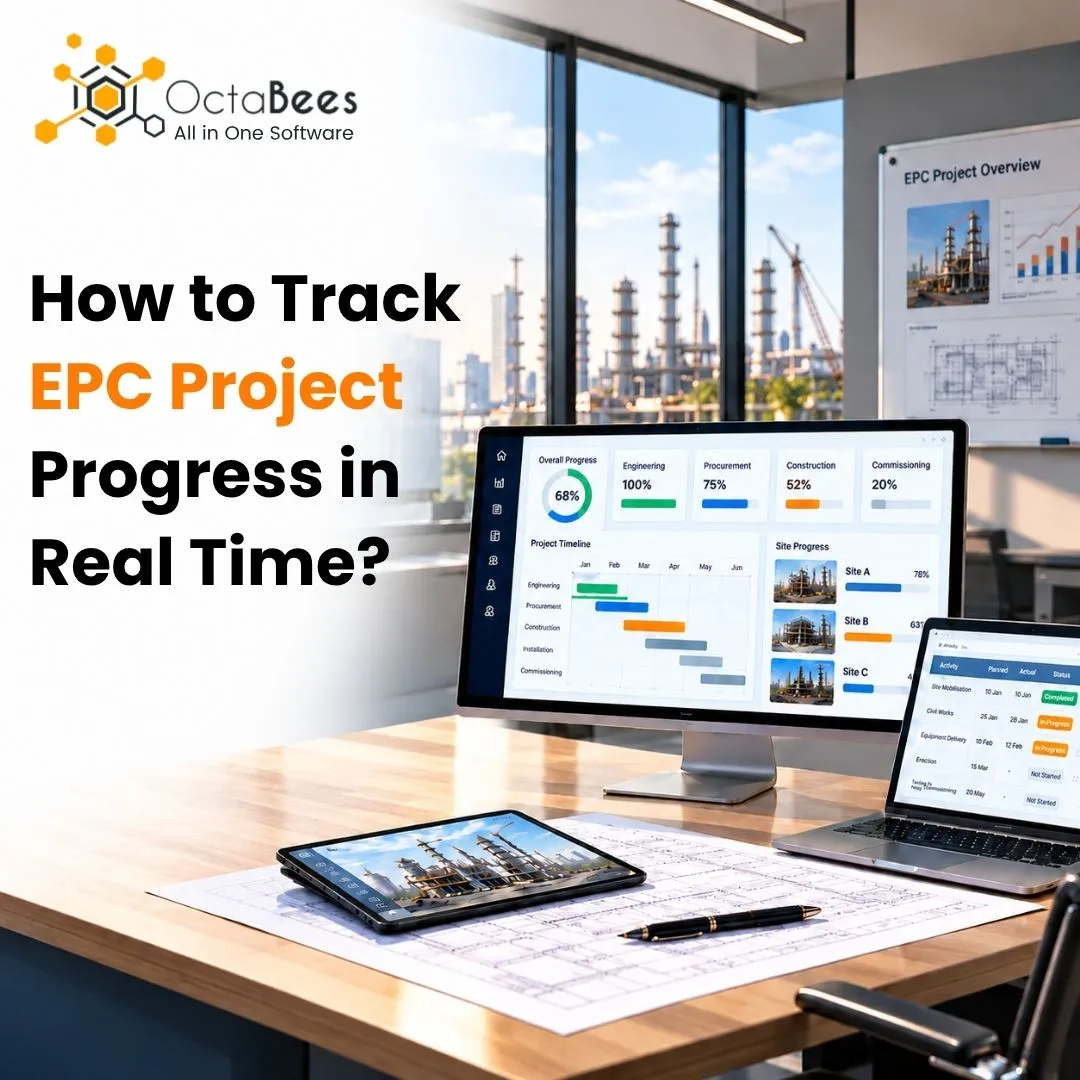
Engineering, Procurement, and Construction (EPC) projects involve multiple teams, contractors, suppliers, budgets, and deadlines. Delays in engineering approvals, material deliveries, or on-site work can affect the entire project schedule. Without accurate updates, project managers may discover these problems only after they impact costs or delivery commitments.
Using EPC Software helps teams bring schedules, site activities, procurement, resources, and project costs into one system. Instead of depending on scattered spreadsheets and manual reports, stakeholders can review current information, identify deviations, and take corrective action before small issues become major delays.
Why Is Real-Time EPC Project Monitoring Important?
Effective EPC Project Management requires continuous coordination between engineering, procurement, and construction teams. Traditional reporting can create information gaps because updates from different departments may arrive late or use inconsistent formats.
A connected EPC Project Management Software solution improves visibility across project activities. It also supports Construction Project Tracking, helping managers monitor work completion, material availability, contractor performance, and schedule adherence.
Whether managing an industrial facility or a renewable energy installation, Real Time Project Monitoring helps teams identify bottlenecks earlier and make decisions using current project information.
7 Ways to Track EPC Project Progress in Real Time
1. Create a Clear Project Baseline
Start by defining project milestones, deadlines, budgets, resource requirements, and deliverables. A baseline provides a reference for measuring actual performance against the original plan.
Use Project Planning Software to organise work packages and dependencies, while Project Scheduling Software helps assign dates, sequence activities, and identify critical-path tasks. These capabilities form the foundation of effective Project Status Tracking.
2. Record Daily Site Progress
Site teams should report completed work, workforce deployment, equipment usage, material consumption, and unresolved issues at regular intervals. Daily Progress Report Software can help collect field updates and make them available to project managers without waiting for manually compiled reports.
Reliable EPC Site Progress Tracking should use measurable information, such as installed quantities, completed inspections, and pending activities. Field Project Management Software can simplify mobile reporting, while Project Progress Reporting helps communicate site performance to stakeholders.
3. Monitor Procurement and Material Availability
Procurement delays can prevent scheduled work from starting. Track purchase requisitions, purchase orders, supplier commitments, delivery dates, goods receipts, and material consumption.
An integrated EPC ERP Software platform connects purchasing and inventory information with project schedules. This supports EPC Workflow Management by helping teams follow approvals, coordinate suppliers, and identify material shortages before they affect site execution.
4. Compare Planned and Actual Performance
A project dashboard should show whether activities are progressing according to plan. Use EPC Project Tracking Software to compare scheduled milestones with actual completion and highlight delayed tasks.
| KPI | What it measures |
| Schedule variance | Difference between planned and actual timing |
| Physical progress | Percentage of work completed |
| Cost variance | Difference between budget and actual expenditure |
| Procurement status | Pending orders and delayed deliveries |
| Resource utilisation | Use of labour, equipment, and materials |
| Open issues | Unresolved technical, quality, and site problems |
These indicators strengthen Project Performance Management and help teams prioritise corrective action. Project Control Software can also support schedule analysis, cost control, and baseline comparisons.
5. Control Project Costs and Resources
Progress tracking should include financial performance, not just completed activities. Project Cost Management Software helps teams compare expenditure with approved budgets, monitor subcontractor costs, and identify potential overruns.
Similarly, Resource Management Software supports workforce and equipment allocation. Together, these tools improve EPC Project Monitoring by showing whether resources and spending are aligned with actual progress.
6. Use Centralised Dashboards and Reports
A central Project Management Dashboard should display milestone completion, site progress, budget utilisation, procurement status, and project risks. Project Dashboard Software can provide role-based views so executives can review overall performance while site managers focus on assigned activities.
Connected Project Reporting Software also reduces repetitive manual work. As part of a broader Project Management System, it can provide consistent information for project reviews, management reports, and decision-making.
7. Track Execution and Resolve Delays
A capable Project Execution Software solution helps teams assign responsibilities, record issues, monitor approvals, and follow corrective actions through completion. These capabilities are valuable for Construction Project Management Software and Engineering Project Management Software, where multiple disciplines must work together.
Choose Project Tracking Software and other Project Tracking Tools that make overdue tasks, dependencies, and unresolved issues visible. An effective EPC Contractor Software solution should also help contractors and project owners coordinate updates and maintain accountability throughout execution.
Looking to improve project visibility and control? Contact us to explore integrated EPC project management solutions.
Tracking Solar EPC Projects in Real Time
Renewable energy projects have specific tracking requirements, including equipment deliveries, module installation, inverter commissioning, testing, and grid connection. Solar EPC Software can bring these activities into a shared project view.
With Solar Project Management Software, teams can coordinate schedules, resources, procurement, and commissioning milestones. Solar Project Tracking and Solar Project Progress Tracking help compare planned installation quantities with actual work, while Solar Project Monitoring supports visibility across multiple sites.
Best Practices for Accurate Project Tracking
To make Project Progress Tracking reliable, establish consistent reporting standards and clear ownership for every milestone. Review deviations regularly and validate site updates before using them for management decisions.
For effective Construction Progress Monitoring, follow these practices:
- Update site, procurement, and cost records consistently.
- Set alerts for overdue activities and delayed deliveries.
- Assign owners and deadlines to corrective actions.
- Integrate engineering, procurement, finance, and site data where possible.
- Review critical-path activities and resource constraints frequently.
The right approach combines reliable data, clear accountability, and timely decisions.
Frequently Asked Questions
EPC project tracking involves monitoring engineering, procurement, and construction activities against planned schedules, budgets, resources, and milestones to identify delays and maintain project control.
EPC Software consolidates project updates, procurement information, schedules, and costs, helping authorised users identify deviations and coordinate corrective action using current information.
Important KPIs include physical progress, schedule variance, cost variance, procurement status, resource utilisation, milestone completion, and the number of unresolved issues.
Yes, EPC Project Tracking Software can highlight overdue activities, material shortages, approval bottlenecks, and resource constraints early, giving teams more time to resolve issues before they affect delivery.
Yes, Solar EPC Software can help teams monitor engineering, procurement, equipment installation, commissioning, costs, and milestones across individual or multiple solar project sites.
Conclusion
Real-time project tracking depends on accurate updates, connected workflows, and timely corrective action. By implementing EPC Software, project teams can improve schedule visibility, coordinate procurement and construction activities, control costs, and resolve issues before they affect delivery. A well-configured tracking system turns project data into practical insights, helping EPC teams maintain accountability and make better-informed decisions throughout execution.
Related Posts