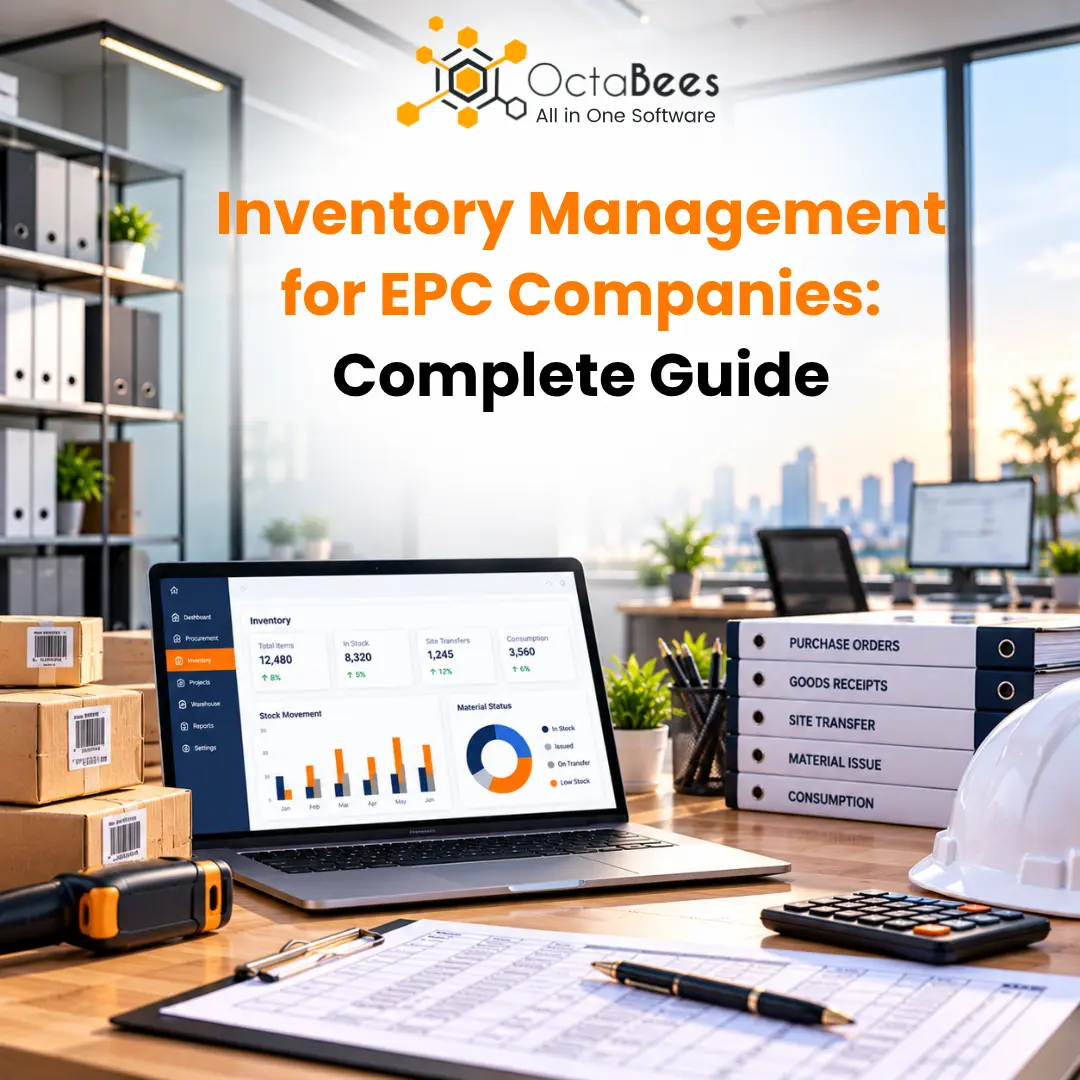
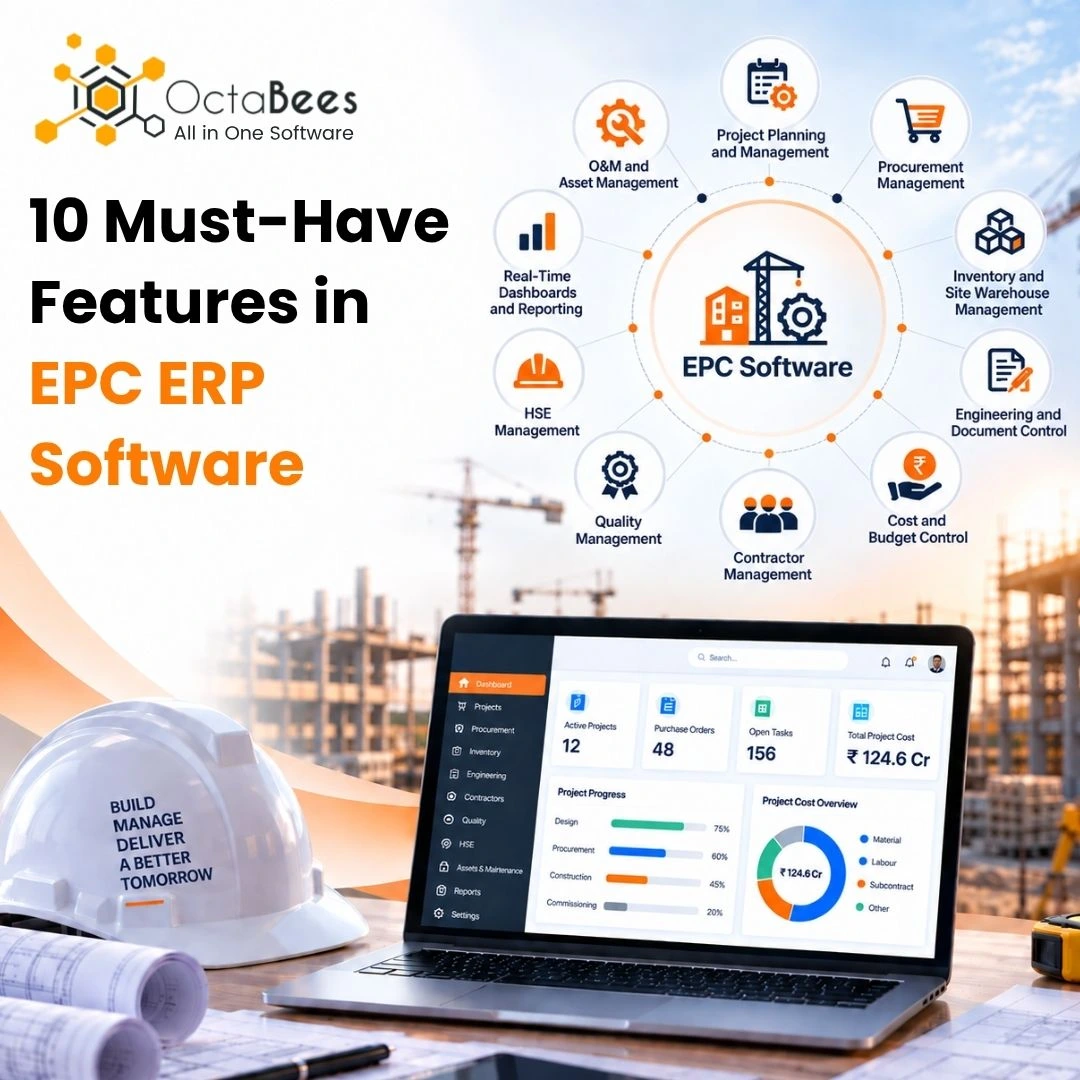
EPC companies handle large volumes of materials, equipment, components, and consumables across engineering, procurement, construction,…

The solar energy industry requires careful coordination between engineering teams, procurement departments, contractors, and site personnel. From purchasing solar panels and inverters to managing installation schedules and commissioning, every stage affects project costs and delivery timelines. Disconnected spreadsheets and delayed updates can make it difficult to maintain control across multiple sites.
Implementing Solar EPC Software helps businesses connect project planning, procurement, inventory, financial tracking, and field reporting through a centralised system. This improves operational visibility, supports better resource utilisation, and helps solar companies manage projects more efficiently from initial planning to final handover.
Why Do Solar Companies Need Project Management Software?
Solar Engineering, Procurement, and Construction (EPC) projects involve several interconnected activities. Engineering approvals influence procurement, material availability affects installation, and site progress determines whether commissioning can begin as scheduled.
When departments work with separate records, project managers may struggle to identify material shortages, schedule conflicts, and unexpected expenses. An integrated system helps connect these activities so teams can work with consistent project information.
Using Solar EPC Software also gives management a clearer view of project status across locations. Teams can review pending tasks, monitor expenditure, coordinate contractors, and address operational issues before they affect critical milestones.
Essential Features of Solar EPC Software
Project Planning and Schedule Management
Solar installations require a structured sequence of engineering, procurement, civil work, equipment installation, testing, and commissioning. Project scheduling tools help managers assign responsibilities, establish milestones, and monitor dependencies between activities.
With Solar Project Management Software, teams can compare planned schedules with actual progress and identify activities that require attention. This supports better coordination between office teams and site personnel while helping managers prioritise critical tasks.
Procurement and Inventory Control
Solar projects depend on the timely availability of photovoltaic modules, inverters, mounting structures, cables, transformers, and other components. A delay in even one critical item can interrupt installation work and increase project expenses.
Connected procurement and inventory workflows within Solar EPC Software help teams track purchase orders, supplier commitments, goods receipts, stock levels, and material consumption. This makes it easier to coordinate deliveries with site requirements, improve material visibility, and avoid unnecessary purchasing or shortages that could delay installation.
Site Progress and Cost Monitoring
Project managers need accurate information about completed installation work, workforce deployment, equipment usage, and expenditure. Digital daily progress reports allow site teams to submit updates that can be reviewed centrally.
By connecting field reporting with financial records, Solar EPC Software helps managers compare actual progress with planned targets and review budget variations. This combined visibility supports quicker decisions when delays, resource constraints, or unexpected costs arise.
Document Control and Quality Management
Solar projects generate engineering drawings, technical specifications, inspection reports, approval records, and commissioning documents. Without organised document control, teams may use outdated drawings or overlook important approvals.
Solar EPC Software helps teams maintain document versions, track approval status, record inspection results, and assign corrective actions through structured digital workflows. These capabilities improve coordination between engineering and construction teams, maintain accurate project records, and help reduce avoidable rework and delays.
How Solar EPC Software Improves Project Performance?
The value of Solar EPC Software extends beyond digitising individual tasks. It connects information across the project lifecycle, helping businesses understand how decisions in one department affect other activities and overall project performance.
For example, procurement teams can coordinate deliveries with the installation schedule, while project managers can assess whether spending aligns with completed work. Centralised reporting also makes it easier to compare the performance of multiple sites.
| Project Area | How Software Helps |
| Scheduling | Tracks milestones, deadlines, and delayed activities |
| Procurement | Monitors purchase orders and supplier deliveries |
| Inventory | Improves visibility into stock and material consumption |
| Cost control | Compares actual expenditure with approved budgets |
| Site execution | Records daily progress and unresolved issues |
| Reporting | Consolidates project information for management reviews |
These capabilities can improve accountability, support resource planning, and help teams identify operational problems earlier. Results depend on accurate data, consistent workflows, and timely action by project stakeholders.
Looking to improve visibility across your solar EPC projects? Contact us to explore integrated project management solutions.
Practical Uses Across the Solar Project Lifecycle
During planning, project teams can define budgets, schedules, responsibilities, and resource requirements. Engineering departments can coordinate technical documents and approvals before procurement and construction activities begin.
During execution, procurement teams can monitor material availability while site managers report installation progress, labour deployment, and delays. Project managers can use these updates to adjust schedules, coordinate contractors, and review cost performance.
During commissioning and handover, teams can track testing activities, outstanding work, inspection records, and required documentation. For companies managing several installations, Solar EPC Software can provide a consolidated view of project performance while retaining visibility into each site’s individual progress.
How to Choose the Right Solution?
Solar companies should assess their operational requirements before selecting a software platform. Important considerations include project scheduling, procurement and inventory management, budget tracking, mobile site reporting, document control, and multi-project dashboards. Choosing the right Solar EPC Software helps businesses connect these functions and maintain better visibility across project activities.
The solution should fit existing workflows and provide clear reporting without creating unnecessary administrative work. Businesses should also consider integration with finance or enterprise systems, user training, implementation support, and the ability to adapt as project operations grow.
Frequently Asked Questions
Solar EPC software helps companies coordinate engineering, procurement, construction, installation, commissioning, cost tracking, and reporting through connected project workflows.
It improves visibility into schedules, material deliveries, pending approvals, and site progress, helping teams identify bottlenecks and take corrective action earlier.
Yes. Depending on its capabilities, the software can help teams monitor budgets, actual expenditure, procurement costs, resource utilisation, and cost variations.
Yes. Centralised dashboards can help managers review schedules, costs, material availability, and installation progress across multiple solar projects.
Key features include project scheduling, procurement, inventory control, cost monitoring, mobile progress reporting, document management, and consolidated project dashboards.
Conclusion
Successful solar project execution depends on coordinating engineering, procurement, construction, and commissioning activities with accurate information. By connecting schedules, materials, site updates, and financial records, Solar EPC Software helps businesses improve visibility, manage resources, and identify potential delays. Choosing a solution that fits operational needs can support better cost control, stronger team coordination, and more predictable project delivery.
Related Posts