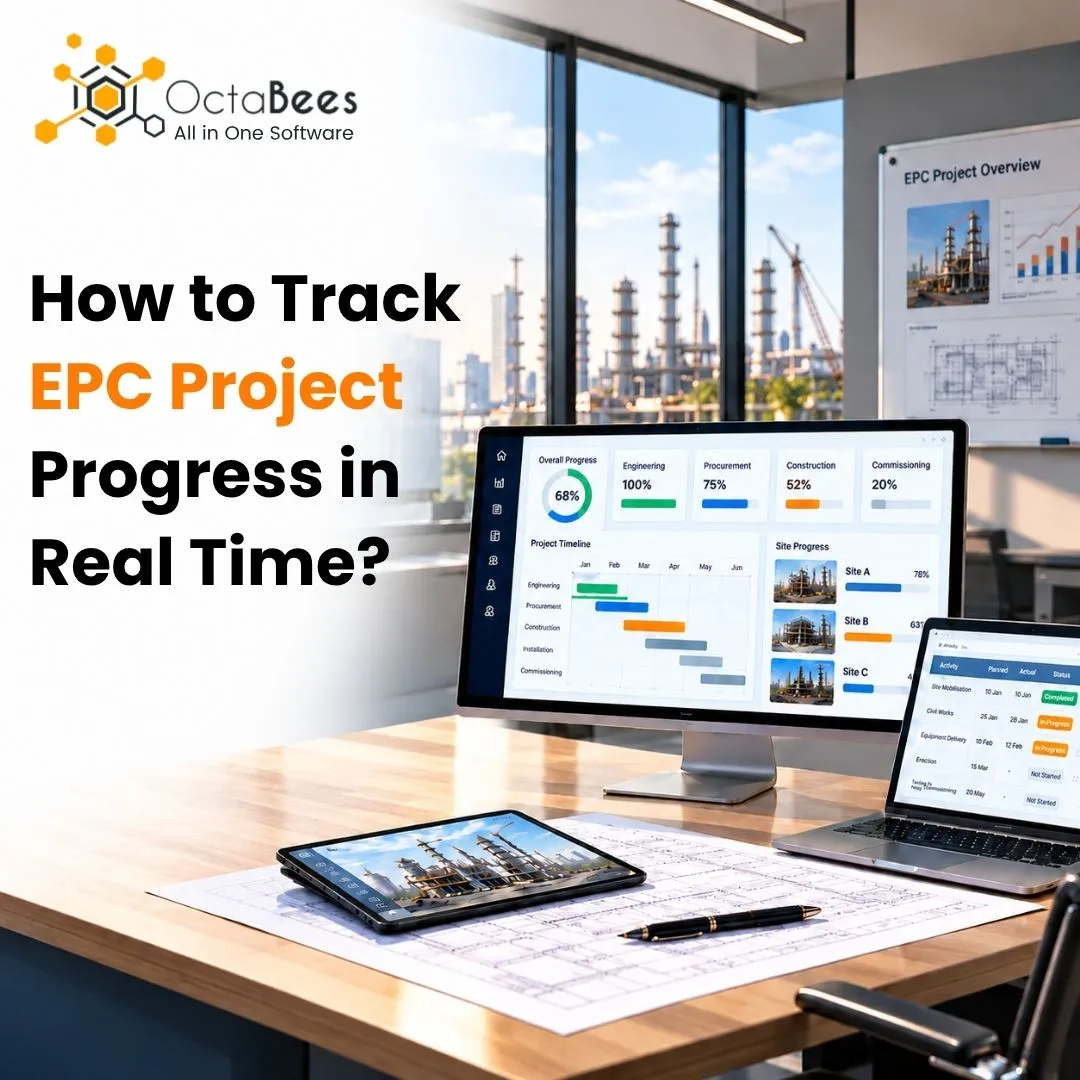
Engineering, Procurement, and Construction (EPC) projects involve multiple teams, contractors, suppliers, budgets, and deadlines. Delays…
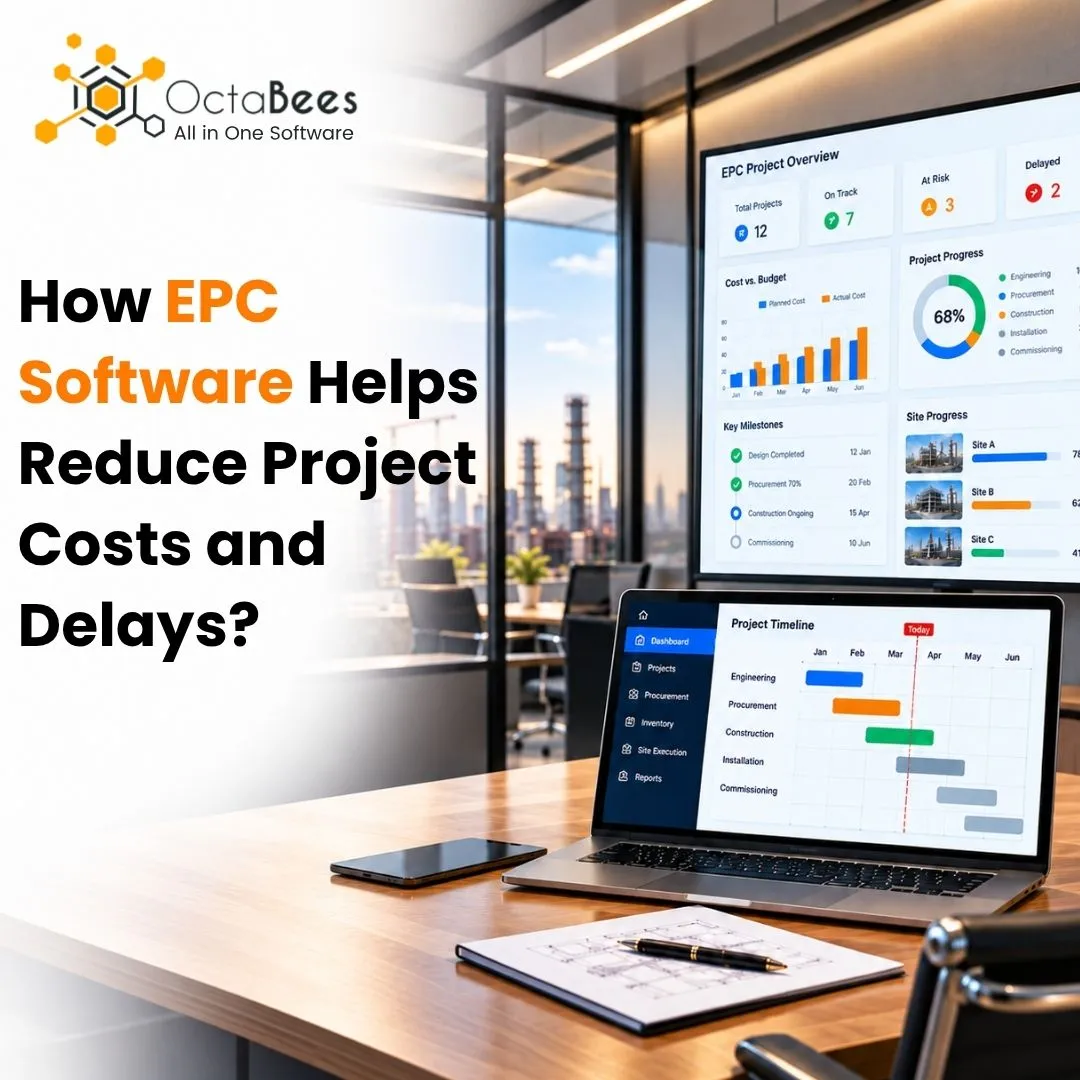
Engineering, Procurement, and Construction (EPC) projects involve complex schedules, multiple contractors, material procurement, workforce planning, and strict budgets. When these activities are managed separately, small issues can lead to cost overruns, missed milestones, and inefficient resource utilisation. Digital project management systems help teams coordinate these activities and identify problems earlier. With EPC Project Cost Management capabilities, businesses can monitor spending, compare planned and actual progress, and make informed decisions to keep projects on schedule and within budget.
Why Do EPC Projects Experience Cost Overruns and Delays?
EPC projects can face unexpected expenses due to material price changes, procurement bottlenecks, engineering revisions, labour shortages, and poor coordination between departments. Limited visibility into site progress can also prevent managers from recognising delays before they affect dependent activities.
Manual spreadsheets and disconnected reporting systems make it harder to maintain accurate project information. Implementing EPC Software helps centralise schedules, procurement records, resource allocation, and financial data, giving project managers a clearer view of operational risks.
6 Ways EPC Software Helps Reduce Project Costs and Delays
1. Improve Budget Planning and Cost Tracking
Accurate cost planning starts with defining budgets for materials, labour, equipment, subcontractors, and other project expenses. As execution progresses, managers must compare actual expenditure with approved estimates.
Using EPC Project Cost Management tools, teams can track budget utilisation, identify cost variances, and investigate unexpected spending before it escalates. Regular cost reporting also helps managers forecast remaining expenses and make adjustments when financial performance deviates from the plan.
2. Prevent Procurement Delays
Late material deliveries can interrupt construction activities, leave workers waiting, and increase equipment or labour costs. Procurement teams need visibility into purchase requisitions, supplier commitments, purchase orders, delivery schedules, and material availability.
An integrated EPC Project Management Software platform connects procurement workflows with project schedules. This helps teams identify pending approvals, follow up on delayed orders, and coordinate purchasing with upcoming site requirements.
3. Monitor Project Progress in Real Time
Project managers need reliable updates to understand whether engineering, procurement, and construction activities are progressing according to plan. Delayed reporting can hide problems until recovery becomes expensive.
With EPC Project Tracking Software, teams can compare planned milestones against actual progress, monitor site updates, and identify activities falling behind schedule. Dashboards and digital daily progress reports help stakeholders respond faster and coordinate corrective actions across project locations.
4. Optimise Labour and Equipment Utilisation
Poor resource allocation can increase project expenses without improving productivity. Overstaffing, equipment downtime, overlapping assignments, and unplanned mobilisation can all affect project costs.
Using EPC Resource Management Software helps managers review workforce requirements, equipment availability, task assignments, and resource utilisation. Better coordination reduces idle time and supports the allocation of resources to activities that require immediate attention.
5. Identify Risks Before They Affect Delivery
Engineering changes, quality issues, safety incidents, and approval bottlenecks can disrupt project execution. Teams need a structured way to identify risks, assign responsibilities, and monitor unresolved issues.
A connected EPC Project Management System can maintain risk registers, track pending approvals, document changes, and assign corrective actions. Early identification allows project teams to address problems before they cause major schedule disruptions or additional costs.
6. Improve Project Reporting and Accountability
When departments use different reporting formats, management may struggle to understand the actual project position. Centralised reporting creates a consistent view of costs, schedules, procurement, and site performance.
With EPC Project Monitoring Software, managers can review project dashboards, monitor key performance indicators, and identify deviations from approved plans. Clear task ownership and documented follow-ups also help teams resolve issues faster and maintain accountability.
Key Project Metrics to Monitor
Tracking the right indicators helps EPC teams recognise potential problems early and take corrective action.
| Project Metric | How It Helps |
| Budget variance | Identifies spending above or below the approved budget |
| Schedule variance | Highlights delays against planned activities |
| Procurement lead time | Reveals supplier and material delivery bottlenecks |
| Resource utilisation | Identifies idle or overallocated resources |
| Physical progress | Compares completed work with planned quantities |
| Cost to complete | Supports forecasting of remaining project expenditure |
Reviewing these metrics regularly helps project managers prioritise issues based on their potential impact on costs and delivery timelines.
Looking to reduce project costs and prevent execution delays? Contact us to explore integrated EPC project management solutions.
Best Practices for Better Cost and Schedule Control
To get meaningful results from EPC Project Cost Management, organisations should establish consistent reporting practices and clear financial controls across all project sites.
- Define budgets, milestones, and responsibilities before execution begins.
- Update procurement, site progress, and cost records regularly.
- Set alerts for delayed activities, budget deviations, and pending approvals.
- Compare actual performance with approved baselines.
- Review risks and corrective actions during regular project meetings.
- Ensure project teams use consistent data and reporting standards.
Software improves visibility, but reliable data and timely action are essential for reducing project costs and delays.
Frequently Asked Questions
EPC Project Cost Management involves planning, monitoring, forecasting, and controlling project expenditure across engineering, procurement, and construction activities to help maintain budget discipline.
EPC software improves cost visibility by connecting budgets, procurement, resource allocation, and actual expenditure. This helps managers identify variances, reduce waste, and make timely financial decisions.
Yes. It helps teams monitor schedules, track site progress, identify procurement bottlenecks, and manage pending approvals so potential delays can be addressed earlier.
EPC companies should monitor material purchases, labour, equipment, subcontractors, logistics, engineering changes, and other project-related expenses against approved budgets.
Important features include budget tracking, project scheduling, procurement management, inventory control, resource planning, daily progress reporting, risk tracking, and centralised dashboards.
Conclusion
Reducing EPC project costs and delays requires consistent coordination, accurate financial information, and early identification of execution risks. By connecting budgets, procurement, schedules, resources, and site reporting, EPC Project Cost Management capabilities help teams identify deviations and respond before they significantly affect project delivery. Combining suitable digital tools with disciplined planning and regular performance reviews supports stronger cost control, improved accountability, and more predictable project outcomes.
Related Posts