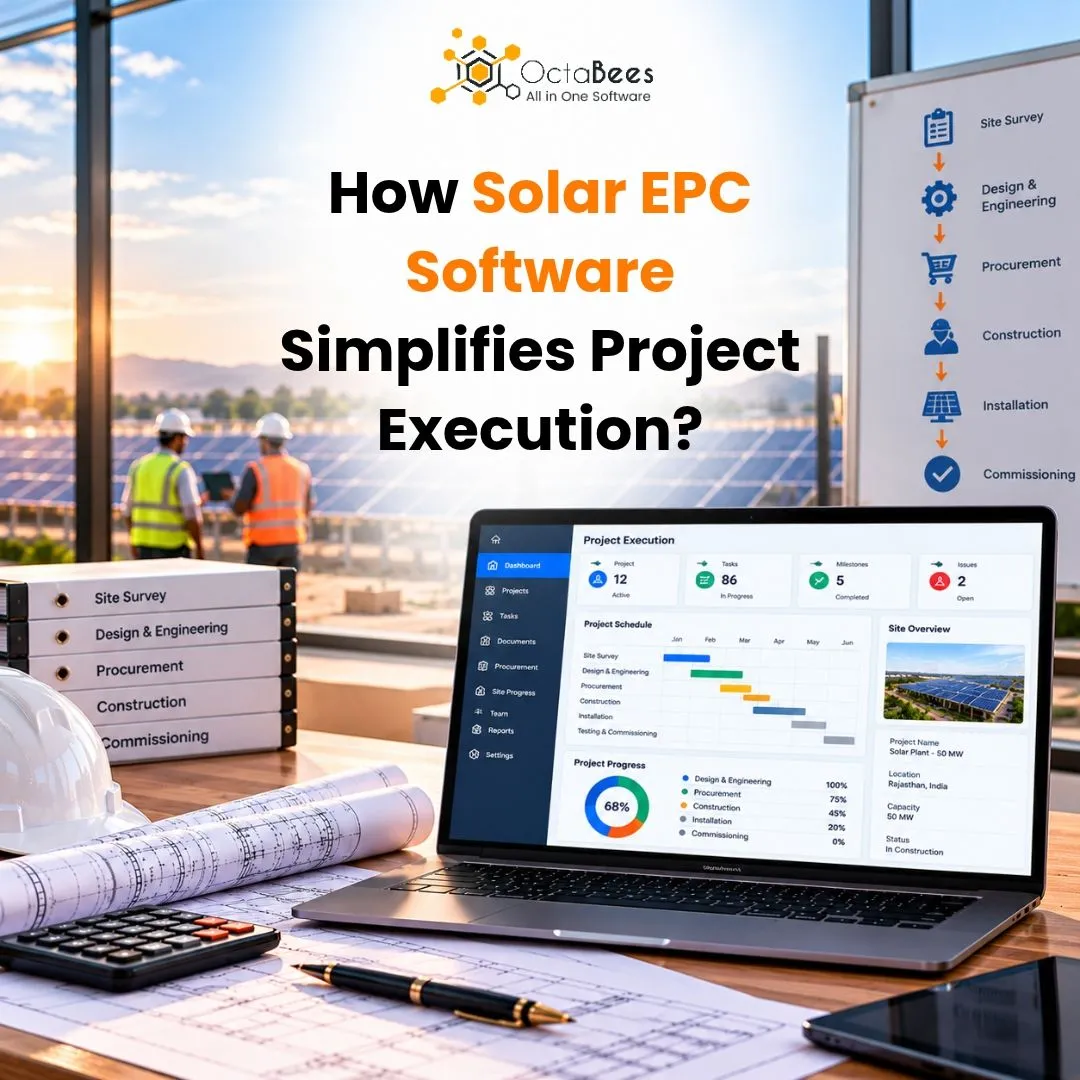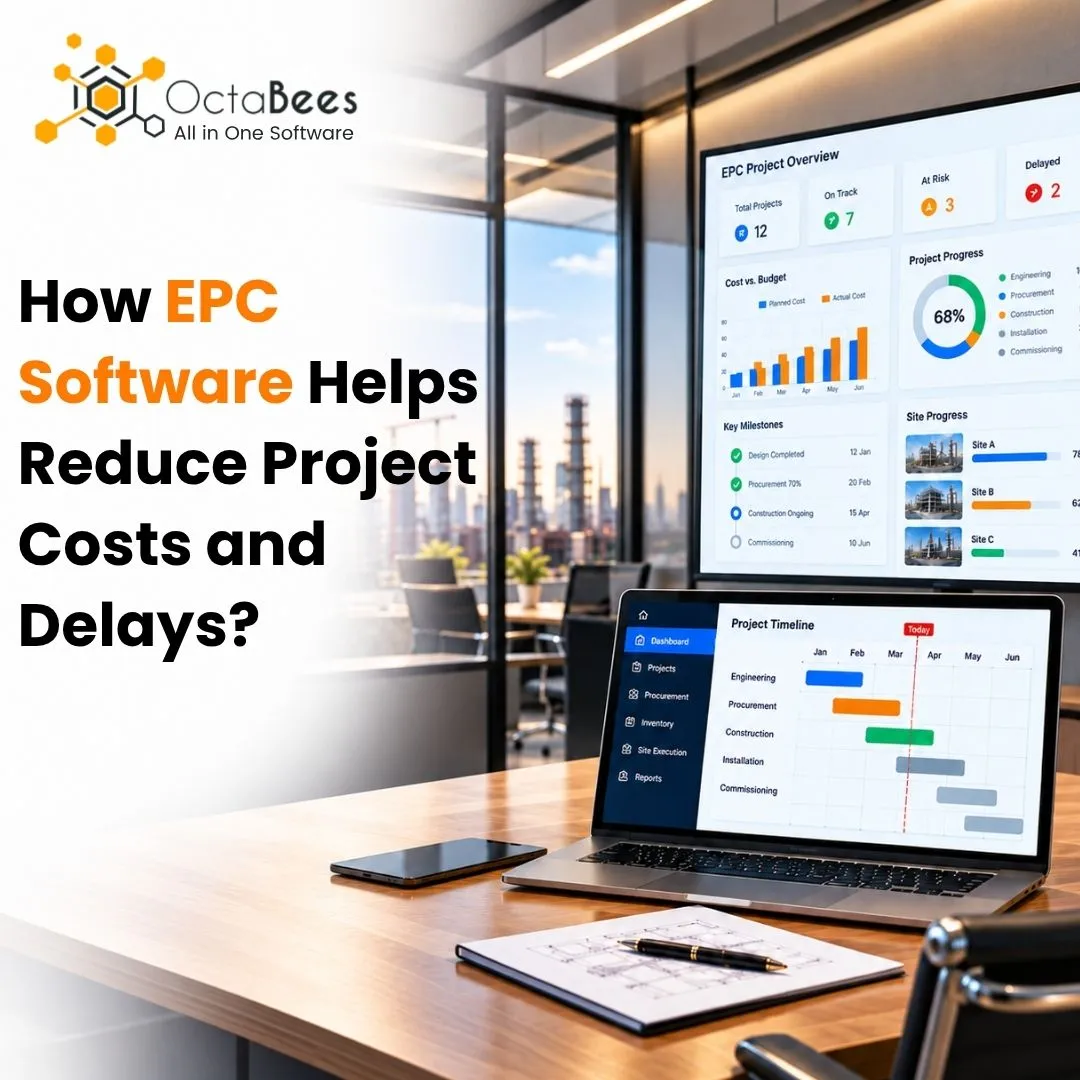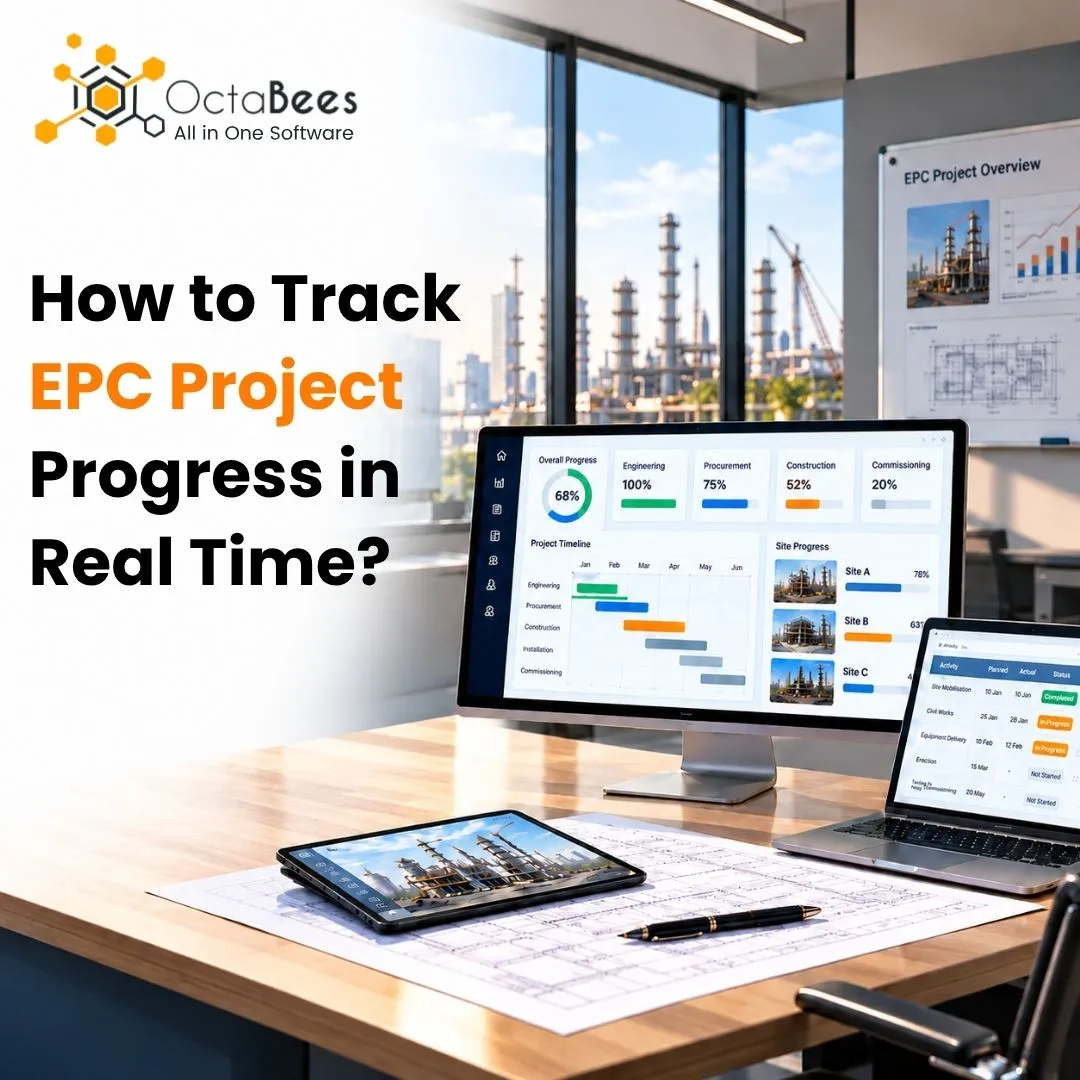

Solar Engineering, Procurement, and Construction (EPC) projects involve several interconnected activities, from engineering design and…
Engineering, procurement, and construction projects rarely move in a straight line. Design approvals, material deliveries, contractor activities, site conditions, and commissioning requirements all influence one another. When progress is reported only through weekly updates or disconnected spreadsheets, a delay in one area may remain unnoticed until it affects the wider schedule.
Real-time tracking gives project teams a current view of what is happening across the project lifecycle. With EPC Project Tracking Software, managers can bring schedule updates, procurement status, site progress, costs, and issues into a connected view, helping teams identify deviations earlier and coordinate the right response.
Why Is Real-Time Tracking Important for EPC Projects?
EPC projects involve activities that often run in parallel. Without a shared and regularly updated view, teams may work with different versions of schedules, progress figures, or procurement information. Implementing EPC Project Tracking Software helps bring these updates together, giving project managers a clearer view of ongoing activities and potential execution issues.
Real-time visibility supports better control in several ways:
- Earlier delay identification: Compare actual progress with planned milestones and identify slippage before it affects critical activities.
- Stronger procurement coordination: Monitor requisitions, purchase orders, supplier commitments, inspections, and delivery status against site requirements.
- Improved cost awareness: Review actual expenditure, commitments, and forecast information alongside physical progress to spot potential cost variances.
- Better resource planning: Identify where labour, equipment, or materials are needed and coordinate allocation across work fronts.
- Clearer accountability: Assign owners and due dates to pending approvals, issues, and corrective actions.
- More informed decisions: Give project leaders a consistent view of progress, constraints, risks, and emerging trends.
The value is not simply faster reporting. It is the ability to connect an emerging deviation with its likely impact and a defined action.
Key Areas to Track Across the EPC Lifecycle
A useful tracking approach follows the flow of work rather than treating each department as a separate reporting island.
| Project area | What to track | Why it matters |
| Engineering | Drawing status, design reviews, approvals, revisions | Highlights design hold-ups and changes that may affect downstream work |
| Procurement | Requisitions, purchase orders, vendor updates, inspections, deliveries | Shows whether critical materials will reach the site when required |
| Construction | Planned vs. actual progress, work fronts, labour, equipment, site constraints | Helps identify execution delays and resource gaps |
| Cost and schedule | Milestones, baseline variance, commitments, actuals, forecasts | Connects physical progress with time and financial performance |
| Quality and safety | Inspections, test records, non-conformances, safety observations | Keeps compliance and corrective actions visible |
| Commissioning and handover | System readiness, test completion, punch lists, documents | Supports a controlled transition from construction to operation |
Tracking these areas together helps reveal dependencies. A procurement dashboard, for instance, becomes more useful when delivery dates are linked to the construction activities that need those materials.
Tools That Support Real-Time EPC Project Tracking
There are different tools for different parts of an EPC project. ERP systems manage procurement and costs. Scheduling software manages timelines, and dashboards help track performance. EPC Project Tracking Software aggregates these updates, so project managers can see what is going well and what needs attention.
- Scheduling tools: Primavera P6 and Microsoft Project support activity planning, timelines, dependencies, and schedule updates.
- ERP systems: Platforms such as SAP help manage financial, procurement, purchase-order, and invoice information.
- Project tracking platforms: Integrated project controls systems can bring schedule, cost, progress, procurement, and reporting information together.
- Business intelligence tools: Power BI and Tableau can turn project data into dashboards that show trends, exceptions, and performance indicators.
When these tools operate in isolation, teams may still need manual reconciliation. Integration, agreed data definitions, and clear update responsibilities are therefore as important as the software itself.
Looking to improve project visibility and coordination? Contact us to explore integrated project management solutions.
Best Practices for More Reliable Project Tracking
1. Establish a Clear Project Baseline
Approve the scope, work breakdown structure, schedule, milestones, budget, and reporting rules before measuring performance. Without a baseline, teams cannot consistently identify variance.
2. Standardise Progress Measurement
Define what counts as complete for each activity and use consistent rules across contractors and sites. Report physical progress separately from expenditure so that spending is not mistaken for completed work.
3. Connect Schedules with Procurement and Engineering
Track drawing approvals, material lead times, inspections, and delivery dates against the activities that depend on them. Flag long-lead and critical items early.
4. Use Meaningful KPIs
Monitor milestone adherence, planned versus actual progress, cost variance, open issues, procurement status, and forecast completion. Earned Value measures such as CPI and SPI can add cost and schedule performance context when the project uses an appropriate earned-value method.
5. Set Exception-Based Alerts and Ownership
Monitor overdue approvals, late deliveries, and schedule delays. Assign each issue to a responsible person with a clear action and deadline. EPC Project Tracking Software can help teams follow up on these issues and keep pending work visible.
6. Review and Improve Data Quality
Establish who updates each record, how often it is updated, and how changes are verified. Regular review meetings should focus on exceptions, dependencies, decisions, and corrective actions not just reading dashboard figures.
Frequently Asked Questions
It is the process of monitoring engineering, procurement, construction, and related project activities against planned scope, schedule, cost, and quality requirements.
It helps teams organise project information, monitor progress, track milestones and procurement, manage issues, and view performance through reports or dashboards.
Common indicators include milestone adherence, planned versus actual progress, cost variance, procurement status, open issues, forecast completion, CPI, and SPI where earned-value management is used.
It makes emerging deviations and dependencies more visible, allowing teams to assign responsibility and take corrective action before a delay spreads to other activities.
Many project environments connect scheduling tools, ERP platforms, and reporting tools. The available integration depends on the systems, configuration, and project requirements.
Conclusion
Real-time EPC tracking works best when schedule, engineering, procurement, construction, cost, quality, and commissioning information are connected. The right EPC Project Tracking Software can improve visibility, but results also depend on reliable data, consistent KPIs, clear ownership, and regular action on exceptions. With these foundations, project teams can identify constraints earlier and manage delivery with greater control.
Related Posts