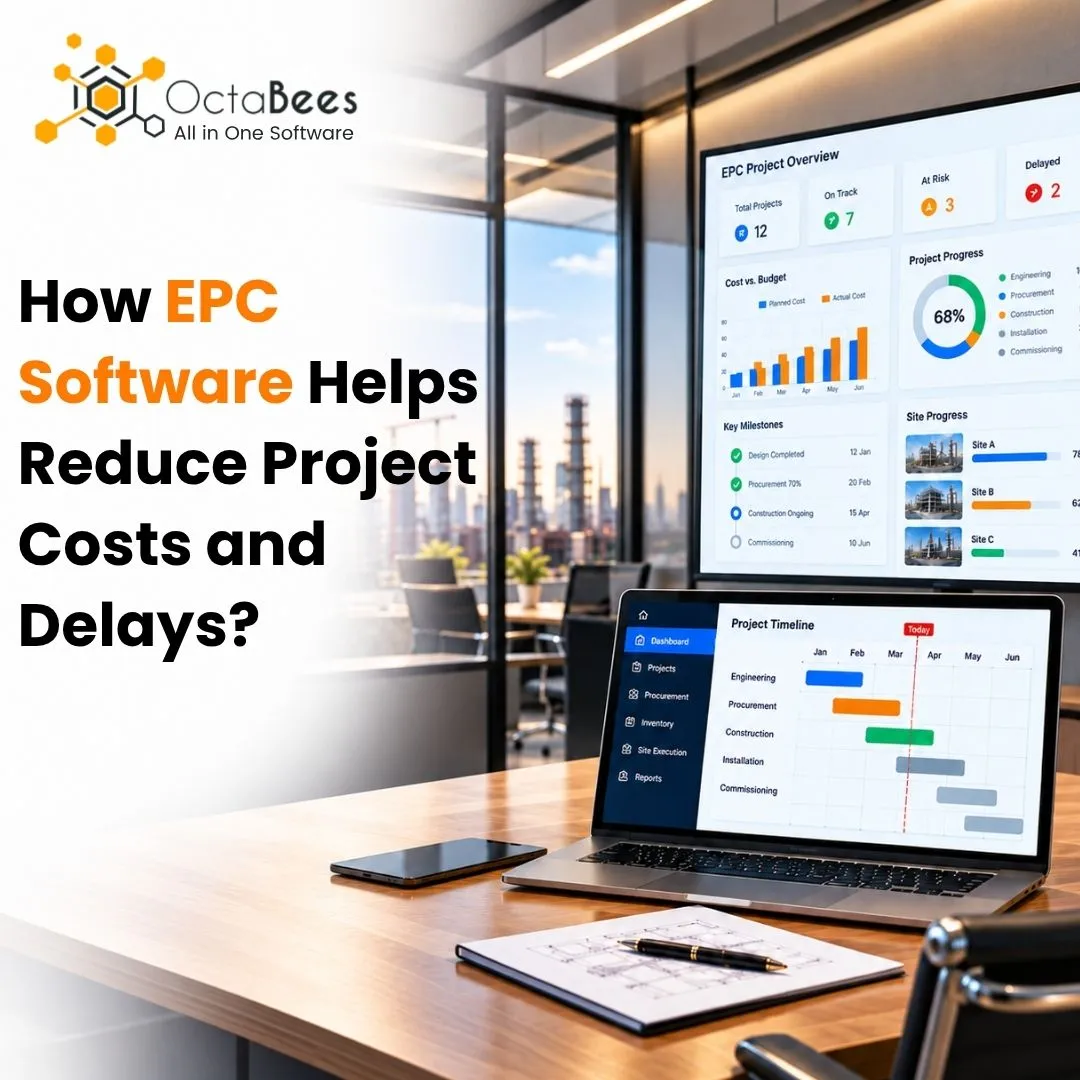
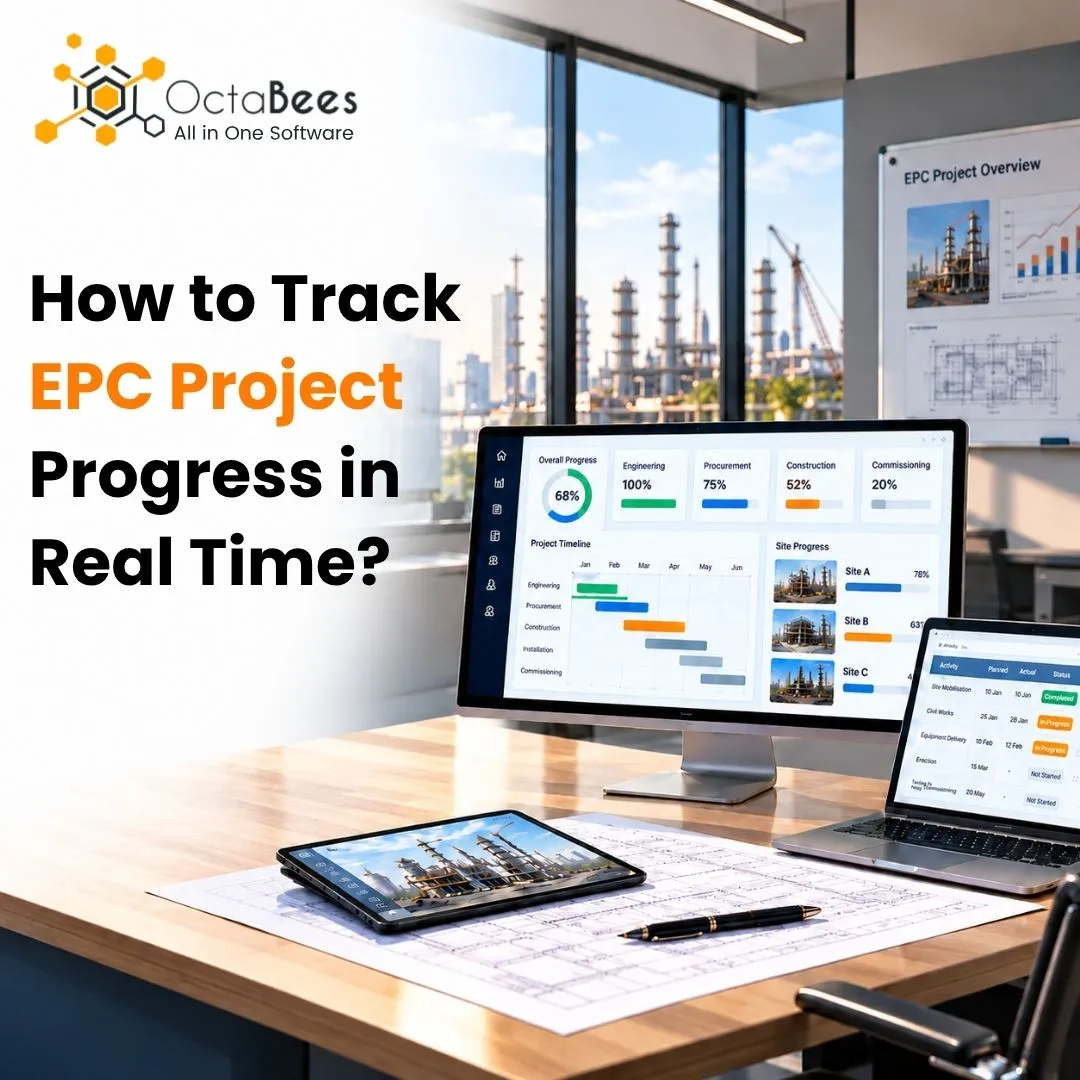
Engineering, Procurement, and Construction (EPC) projects involve complex schedules, multiple contractors, material procurement, workforce planning,…
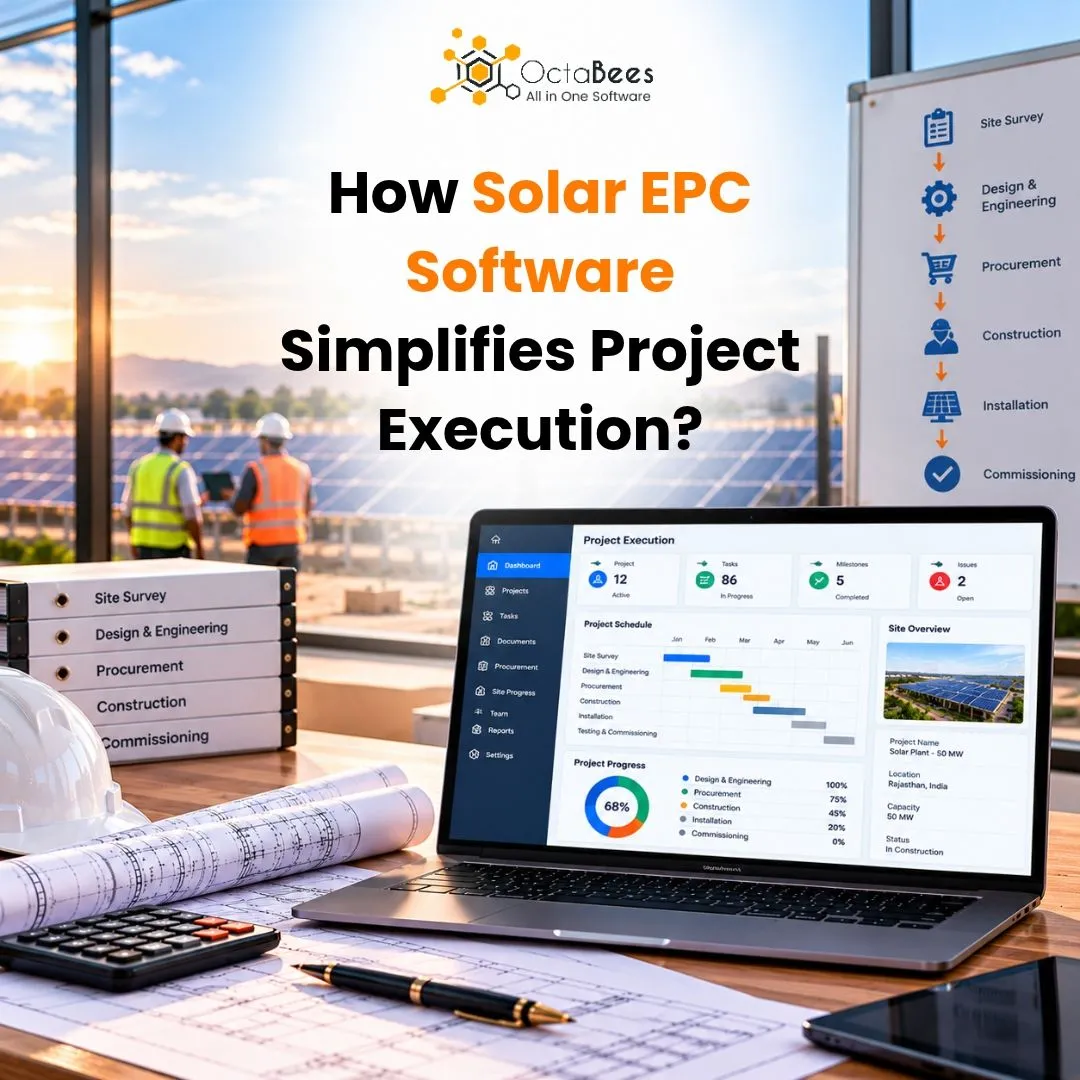
Solar Engineering, Procurement, and Construction (EPC) projects involve several interconnected activities, from engineering design and material procurement to installation, testing, and commissioning. Managing these activities across multiple teams and sites can become challenging when information is scattered across spreadsheets, emails, and manual reports. Delayed updates, material shortages, and poor coordination can affect project timelines and budgets.
Using Solar EPC Software helps businesses connect project planning, procurement, inventory, site reporting, and cost monitoring through a centralised platform. This improves visibility into project activities, streamlines communication between departments, and helps teams manage execution more efficiently from project initiation to final handover.
Why Is Solar Project Execution Challenging?
Solar projects require coordination between engineers, procurement teams, suppliers, contractors, site supervisors, and project managers. Each team depends on timely information from others to complete its responsibilities.
For example, installation may be delayed when materials arrive late, engineering approvals remain pending, or workforce availability does not match the project schedule. Manual reporting can make these problems harder to identify early.
An integrated Solar EPC Software solution helps reduce these information gaps by connecting project activities and providing a clearer view of schedules, resources, costs, and outstanding tasks. Teams can identify potential bottlenecks earlier and coordinate corrective actions before they affect critical milestones.
6 Ways Solar EPC Software Simplifies Project Execution
1. Streamlines Project Planning and Scheduling
Effective execution starts with a clear plan covering project milestones, responsibilities, timelines, and resource requirements. Solar projects typically include engineering approvals, procurement, site preparation, equipment installation, testing, and commissioning.
With Solar Project Management Software, managers can organise activities, assign responsibilities, define dependencies, and compare planned schedules with actual progress. This helps teams understand which tasks require attention and coordinate work around critical milestones.
2. Improves Procurement and Inventory Management
Solar installations require photovoltaic modules, inverters, mounting structures, cables, transformers, and other electrical components. Missing materials or delayed supplier deliveries can interrupt site activities and increase project expenses.
Connected procurement and inventory workflows help teams track purchase requests, purchase orders, supplier commitments, goods receipts, stock availability, and material consumption. By linking material requirements with project schedules, Solar EPC Software helps businesses identify shortages earlier and coordinate deliveries with installation needs.
3. Provides Better Visibility into Site Progress
Project managers need accurate updates on completed work, workforce deployment, equipment utilisation, and site-level challenges. When field information arrives late, it becomes difficult to assess actual progress or respond to emerging issues.
Digital daily progress reports allow site teams to record updates and share them with authorised stakeholders. Through Solar Project Tracking, managers can compare completed installation quantities against planned targets, monitor delayed activities, and review progress across multiple project locations.
4. Strengthens Cost and Resource Control
Unplanned labour expenses, equipment downtime, material wastage, and inefficient resource allocation can affect project profitability. Monitoring these factors alongside project progress helps managers understand where corrective action is needed.
An integrated Solar EPC Software platform can connect project budgets, procurement expenses, workforce planning, and actual expenditure. This allows teams to identify cost variations, review resource utilisation, and make better-informed decisions about spending and resource allocation.
Looking to improve coordination and project visibility? Contact us to explore integrated project management solutions for solar EPC operations.
5. Simplifies Document Control and Approvals
Solar projects generate engineering drawings, technical specifications, purchase records, inspection reports, and commissioning documents. Managing these records manually can lead to outdated drawings, missing approvals, and avoidable rework.
Digital document management helps teams organise files, track revisions, monitor approval status, and maintain accessible project records. Connecting document workflows with project activities also helps ensure that engineering and site teams have the information they need before work proceeds.
6. Improves Reporting and Team Coordination
Project managers often need to collect updates from several departments before preparing progress reports. Centralised dashboards reduce this administrative effort by bringing schedules, procurement status, site progress, costs, and unresolved issues into one view.
With Solar EPC Software, stakeholders can review relevant project information, identify deviations, and follow up on pending tasks. Role-based dashboards also allow management to monitor overall performance while individual teams focus on their assigned activities.
Key Project Activities and How Software Helps
| Project Activity | How Software Simplifies Execution |
| Planning and scheduling | Organises milestones, tasks, and dependencies |
| Procurement | Tracks orders, suppliers, and delivery commitments |
| Inventory management | Improves stock visibility and material allocation |
| Site execution | Records daily progress and highlights delays |
| Cost management | Compares actual expenditure with approved budgets |
| Document control | Tracks drawings, revisions, and approvals |
| Project reporting | Consolidates performance information and outstanding issues |
Connecting these functions helps teams maintain a consistent view of project performance instead of relying on separate records from different departments.
Best Practices for Successful Implementation
To get the most value from Solar EPC Software, businesses should establish consistent workflows and reporting standards before implementation.
- Define project milestones, budgets, and responsibilities clearly.
- Update site progress, procurement records, and costs regularly.
- Establish approval workflows for drawings and purchase requests.
- Assign owners and deadlines to unresolved issues.
- Train office and field teams to use the system consistently.
- Review dashboards regularly and act on significant deviations.
Software can improve visibility, but accurate information and timely decisions remain essential for successful project execution.
Frequently Asked Questions
Solar EPC software helps businesses coordinate engineering, procurement, construction, installation, commissioning, cost monitoring, and project reporting through connected digital workflows.
It connects schedules, procurement, inventory, site progress, and financial information, helping teams reduce manual coordination, identify delays, and make informed decisions.
Yes. It can improve visibility into material availability, pending approvals, delayed activities, and resource constraints so teams can address potential problems earlier.
Depending on the platform, centralised dashboards can help managers compare schedules, costs, procurement status, and installation progress across multiple solar project locations.
Important features include project scheduling, procurement and inventory management, cost tracking, daily progress reporting, document control, resource planning, and consolidated dashboards.
Conclusion
Efficient solar project execution depends on coordination, accurate information, and timely decisions at every stage. By connecting planning, procurement, inventory, site activities, and financial reporting, Solar EPC Software helps businesses improve visibility, reduce administrative effort, and identify operational bottlenecks earlier. Selecting a solution that fits existing workflows can strengthen accountability, support better resource utilisation, and help solar companies manage project timelines and costs more effectively.
Related Posts